Living in Hell's Kitchen NYC: What to Expect Today
May 14, 2026
May 14, 2026
If you want Manhattan convenience without giving up neighborhood character, Hell’s Kitchen is one of the first places worth a serious look. It puts you close to Midtown, Broadway, and the waterfront, but it also offers a real mix of apartment types and everyday routines that feel more lived-in than purely tourist-driven. Whether you are thinking about renting, buying, or simply narrowing your search, understanding how Hell’s Kitchen feels today can help you decide if it fits your lifestyle, budget, and priorities. Let’s dive in.
Hell’s Kitchen is generally mapped from the Hudson River to Eighth Avenue and from West 34th to West 59th Streets. That places it directly west of Times Square and the Theater District, which helps explain why the neighborhood feels so connected to the center of Manhattan activity.
Because many public datasets cover the broader Chelsea-Hell’s Kitchen district, some neighborhood statistics are best read as local context rather than a precise Hell’s Kitchen-only count. Still, the numbers paint a useful picture of the area’s pace and profile. In the broader district, ACS 2024 data show 122,452 residents, a median age of 38, median household income of $120,173, and 16% of residents having moved in the previous year.
Living in Hell’s Kitchen means being in the middle of a highly active part of Manhattan. You are close to major subway connections, restaurant corridors, theater venues, and the west side waterfront, which can make day-to-day life feel efficient and full.
The commute picture supports that convenience. In the broader district, the mean travel time to work is 26.8 minutes, and nearby transit options include 34 St-Hudson Yards on the 7 line, 42 St-Port Authority on the A/C/E, and Times Sq-42 St on the N/Q/R/W/1/2/3.
Hell’s Kitchen has a long-standing reputation as a dining neighborhood, and that remains true today. Current coverage highlights a wide range of cuisines, including Indian, Afghan, udon, biryani, and Thai, which gives the area a broad, everyday food scene rather than a one-note restaurant identity.
One of the best-known dining stretches is Restaurant Row on West 46th Street between Eighth and Ninth Avenues. NYC Tourism describes it as a multicultural pre-theater corridor used by Broadway workers, local residents, and visitors, which tells you a lot about the neighborhood’s rhythm. You can have a casual weeknight dinner nearby, or step into a busier block when the theater crowd is out.
Hell’s Kitchen still has a strong connection to New York’s theater culture. Theatre Row and Stage 42 are both on West 42nd Street, placing residents close to off-Broadway venues as well as the broader Broadway ecosystem around Times Square.
For many people, that means entertainment can feel built into the neighborhood instead of requiring a special trip downtown or across town. If you like the idea of living near performing arts, rehearsal spaces, and the buzz that comes with show nights, Hell’s Kitchen offers that in a very direct way.
One of the neighborhood’s biggest everyday advantages is its access to Hudson River Park. The park extends four miles along the waterfront and reaches West 59th Street in Hell’s Kitchen, with recreation spaces, bikeway access, and piers along the way.
That matters because Hell’s Kitchen can be energetic and dense, especially closer to Midtown. Having a major riverfront park nearby gives you a practical release valve for walking, biking, or spending time outdoors without leaving the neighborhood. Hudson River Park also reports more than 17 million visits a year, which reflects how important it is to life on the west side.
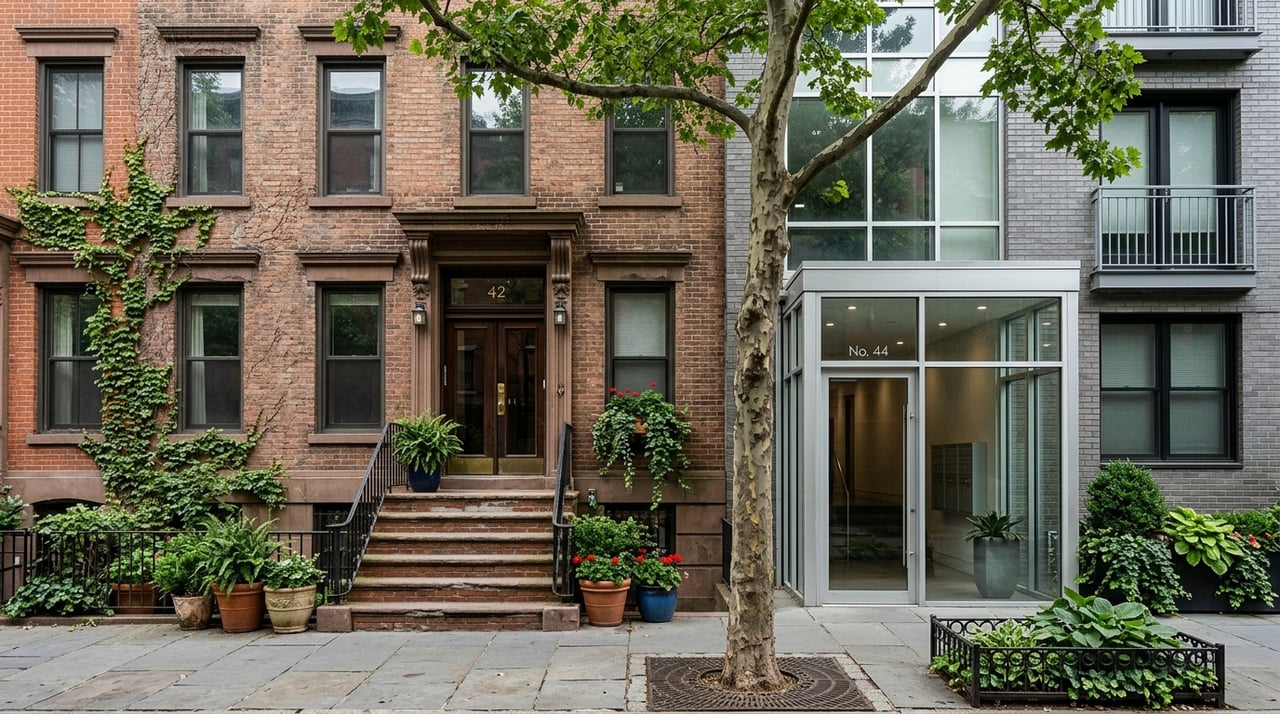
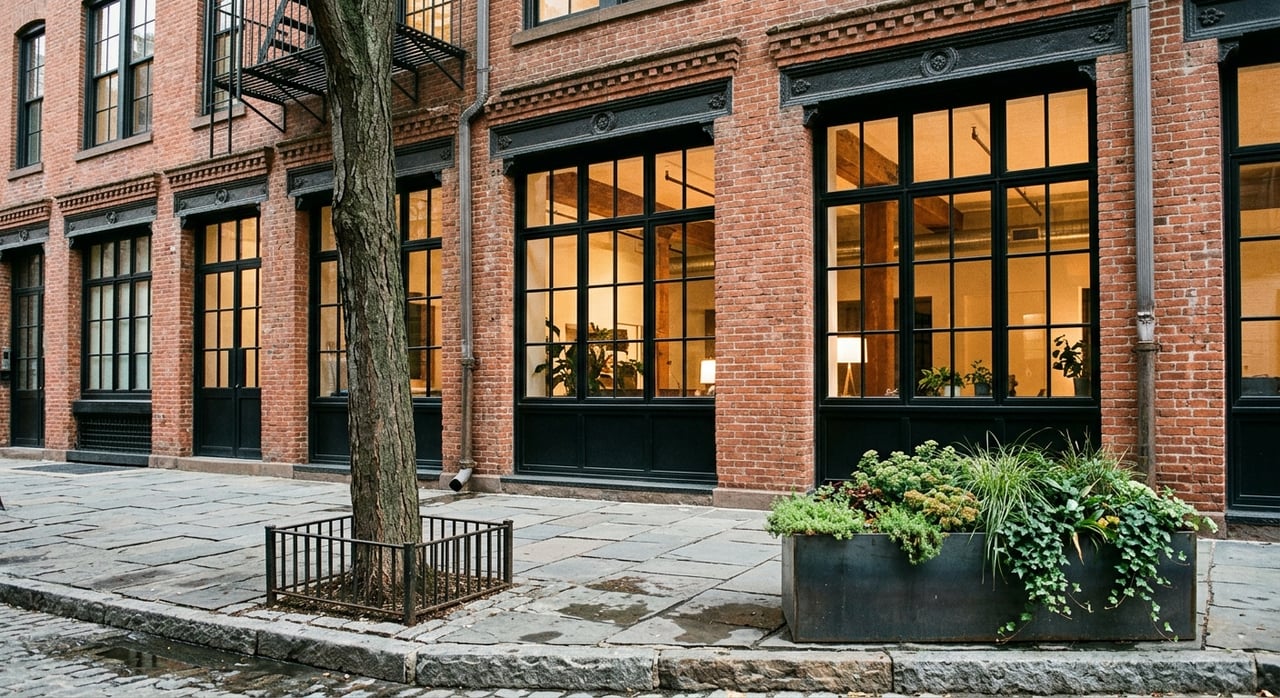
One of the most useful things to know about Hell’s Kitchen is that it is not defined by a single housing type. Official planning documents describe blocks with 4- to 6-story walk-up tenements with ground-floor retail, mid- to high-rise elevator buildings, and nearby 2- to 7-story walk-up and elevator buildings.
In plain terms, you will see meaningful variety from block to block. Some streets feel more classic and low-rise, while others have a more modern Midtown profile. That mix is part of what makes the neighborhood appealing to people with different needs and budgets.
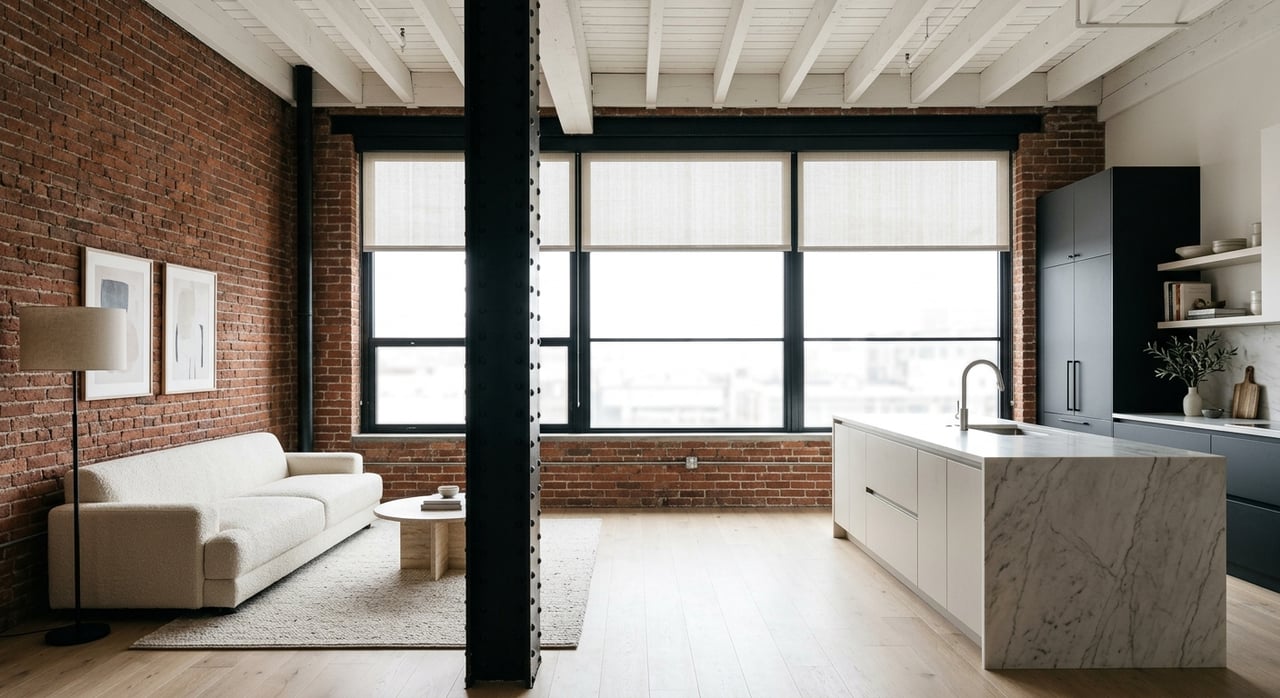
Typical housing choices include pre-war walk-ups, elevator co-ops, newer full-service rentals, and condominiums. That gives you a wider menu of options than in neighborhoods where the housing stock is more uniform.
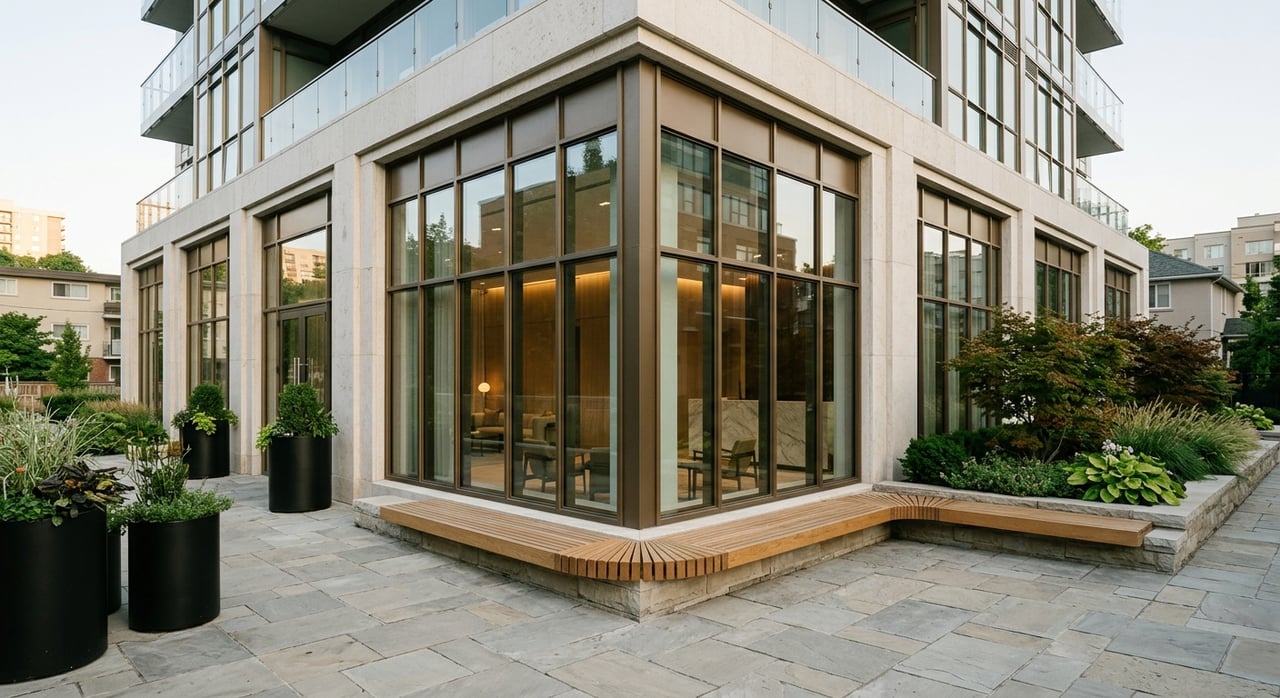
For example, pre-war co-ops in the neighborhood may offer features like doorman service, elevators, laundry rooms, bike storage, and live-in building staff. Newer towers can add amenity packages such as concierge service, gyms, pools, roof decks, package rooms, central air, and in-unit washer/dryers.
Current market inventory suggests that studios, one-bedrooms, and two-bedrooms are more common than larger homes. That is worth keeping in mind if your search depends on a three-bedroom or a larger layout, because your options may narrow faster.
For many renters and buyers, though, that inventory mix works well. If you are looking for a pied-à-terre, a first Manhattan purchase, an investment-minded property, or a home that keeps you close to Midtown, the neighborhood’s housing stock offers a range of entry points.
StreetEasy’s live market snapshot shows a median asking rent of $4,879 and a median sale price of $1.195 million in Hell’s Kitchen. It also describes the neighborhood as above the Manhattan average in rent, while still somewhat more affordable than Chelsea.
That positioning matters if you are comparing west side neighborhoods. Hell’s Kitchen may give you access to a central Manhattan location, a wide dining scene, and proximity to Hudson River Park, but those benefits come with pricing that reflects demand and convenience.
If you are buying, the neighborhood’s housing mix can create very different ownership experiences depending on building type. A pre-war co-op and a newer condo tower may both be in Hell’s Kitchen, but the monthly costs, building rules, amenities, and purchase process can look very different. That is where clear guidance can make your search much more efficient.
Hell’s Kitchen tends to work best for people who want Midtown access, easy transit connections, theater proximity, and a high concentration of restaurants. It is also a strong fit if being near Hudson River Park matters to your daily routine.
At the same time, it helps to be honest about the tradeoff. This is generally a better fit for someone comfortable with an active urban streetscape than for someone seeking a uniformly quiet, low-rise residential feel. Some blocks feel calmer than others, but the neighborhood overall is defined by energy, movement, and convenience.
Because the housing stock is varied, Hell’s Kitchen can work for several types of Manhattan clients. You might be choosing between a classic walk-up, a pre-war elevator co-op, or a newer full-service building, all within the same neighborhood.
That flexibility is especially useful if you are still refining your priorities. You may start by thinking amenities matter most, then realize building character or block feel matters more. In Hell’s Kitchen, you often have the chance to compare those tradeoffs in a relatively compact area.
Before you decide, it helps to think through how you actually live day to day. A neighborhood can look great on paper, but the right fit usually comes down to routine.
Ask yourself a few practical questions:
If your answers lean toward convenience, variety, and city energy, Hell’s Kitchen may be a very strong match. If you want a more consistently quiet atmosphere, it may still be worth exploring specific blocks, but you will want to set expectations carefully.
Hell’s Kitchen today offers a distinct combination of Midtown convenience, cultural energy, waterfront access, and housing variety. It is one of those Manhattan neighborhoods where you can find a pre-war co-op, a walk-up rental, and a newer amenity-rich tower within a short distance of each other.
That does not make it one-size-fits-all. But if you want a neighborhood that feels connected, practical, and full of everyday options, Hell’s Kitchen remains one of the more compelling places to consider on the west side.
If you are weighing whether Hell’s Kitchen fits your lifestyle, budget, or investment goals, the right guidance can make the decision much clearer. The team at PS New York Real Estate can help you compare buildings, understand the tradeoffs, and navigate your next move with a calm, informed strategy.
Stay up to date on the latest real estate trends.



We deliver seamless real estate experiences, matching clients with Manhattan’s finest properties while balancing lifestyle, budget, and investment goals.
PS New York Real Estate

PETER MCLEAN
[email protected]
(646) 801-3244
License #10401318818
SONIA COZZI
[email protected]
(917) 916-7040
License #10401382795
ADDRESS 157 COLUMBUS AVE RM 2W NEW YORK NY 10023