
From Renter To Owner In Hell’s Kitchen: A First-Time Buyer Roadmap
May 21, 2026
May 21, 2026
Buying in Hell’s Kitchen can feel like a big leap when you’re used to renting, especially because two apartments a few blocks apart can come with very different rules, costs, and timelines. If you’re a first-time buyer, you’re not just choosing a neighborhood. You’re also choosing a building type, approval process, and monthly ownership structure. This guide will help you understand what to expect, what to prepare, and how to move forward with more confidence. Let’s dive in.
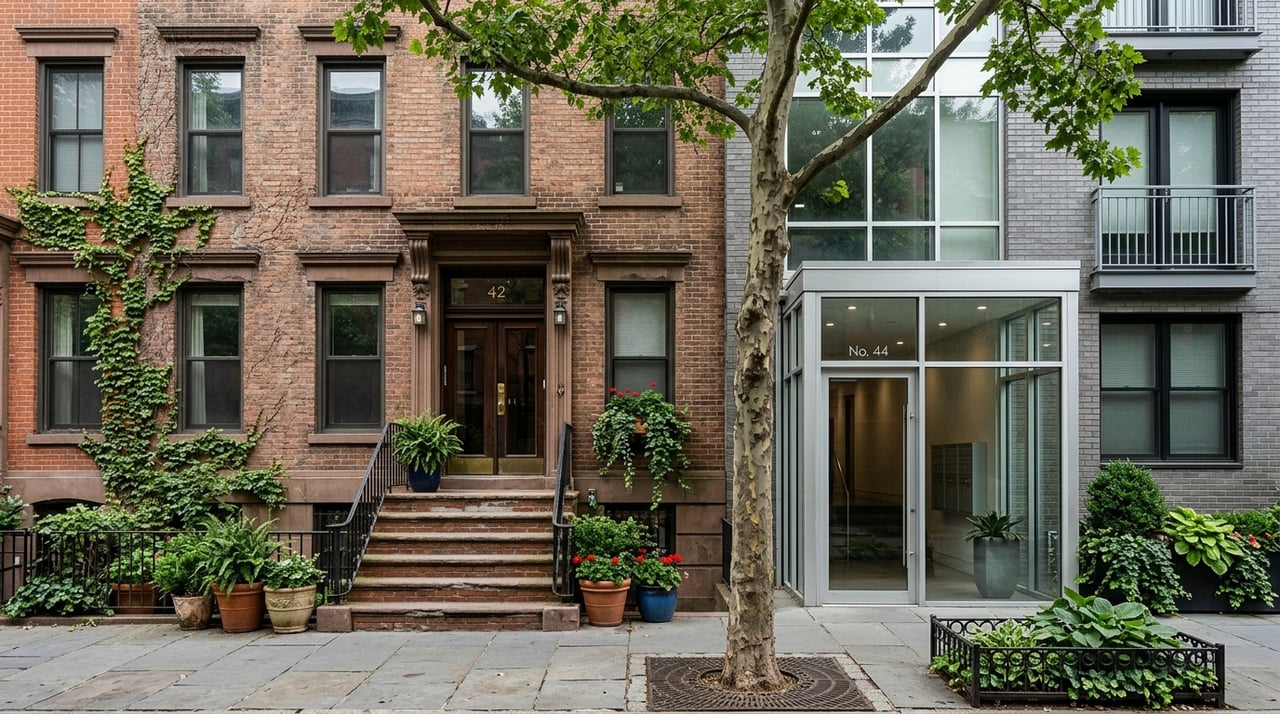
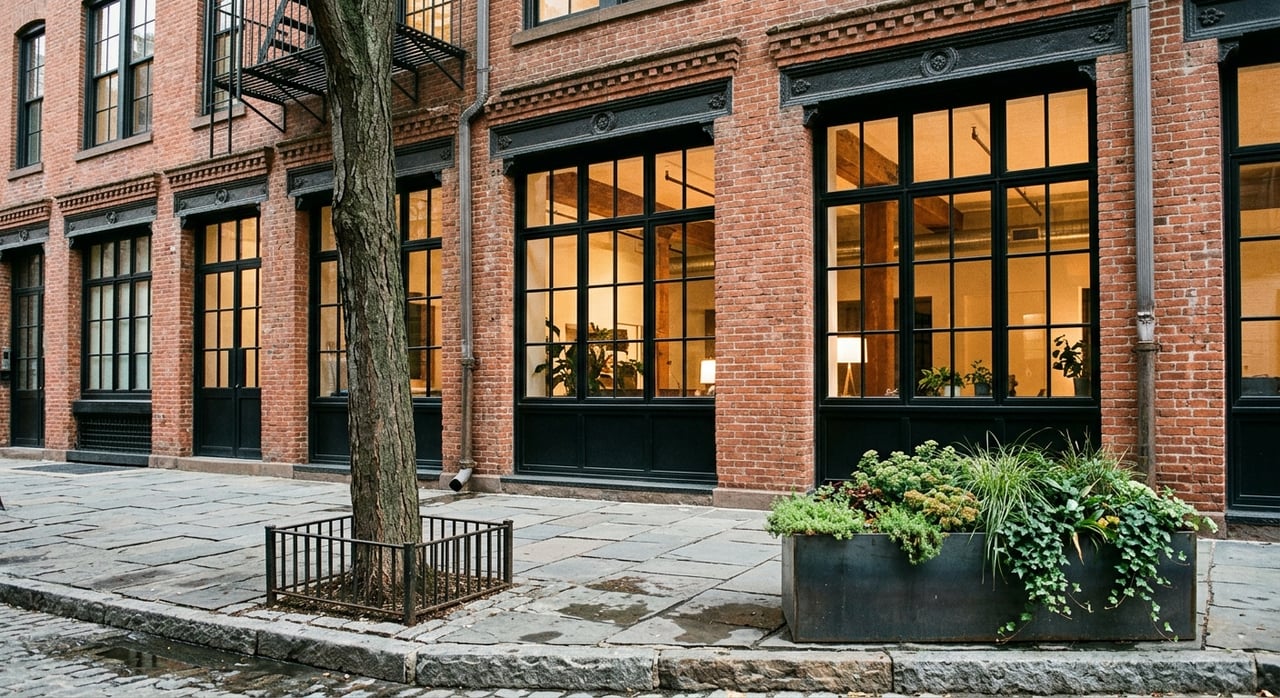
Hell’s Kitchen sits within Manhattan Community District 4 on Manhattan’s West Side, and the housing stock reflects that broad, layered history. In and around the area, you’ll find walk-up apartments, tenements, converted lofts, and high-rise apartment buildings.
That variety matters because your path to ownership may look very different depending on the building. One apartment may be a co-op with a board interview and detailed financial review, while another may be a condo with a simpler approval process. In Hell’s Kitchen, the building is often just as important as the block.
Before you start touring, it helps to think beyond the purchase price. In New York City, your real budget includes the down payment, closing costs, and your monthly carrying costs after closing.
A mortgage preapproval is an important first step, but it is only tentative. Lenders review your income, assets, debts, and credit, and many sellers expect buyers to have a preapproval in hand. Since preapprovals can expire, timing matters.
You should also plan for upfront expenses beyond your down payment. Depending on the purchase, that can include inspection costs, lender fees, insurance, and other closing charges.
If your purchase price reaches $1 million or more, New York’s mansion tax adds 1% of the sale price. That means a search that stretches just above the $1 million mark can change how much cash you need to close.
One of the biggest adjustments from renting to owning in Hell’s Kitchen is learning how monthly costs are structured. This is where co-ops and condos start to feel very different.
In a co-op, you buy shares in a corporation and receive a proprietary lease for your apartment. Your monthly maintenance usually helps cover building expenses, property taxes, and sometimes the building’s underlying mortgage.
In a condo, you buy the unit as real property along with an undivided interest in the common areas. You typically pay common charges to the building and pay your own property taxes separately.
For many first-time buyers, this is the moment when sticker price stops telling the full story. A lower purchase price does not always mean a lower monthly cost, and a higher asking price does not always mean the apartment is less affordable month to month.
Co-ops make up a large share of Manhattan’s apartment inventory, and they are often 15% to 20% less expensive than comparable condos. That can make them an attractive entry point if you want to buy in Hell’s Kitchen without stretching as far on price.
Co-op closing costs are also often lower because there are fewer title-related fees. For some buyers, that can make the upfront math easier.
Condos usually come with a lighter approval process. While some buildings still request an application and transaction details, the process is often more straightforward than a co-op purchase.
That can matter if you want more flexibility or a smoother path to closing. It can also help if you prefer fewer building-level restrictions.
Co-ops often have stricter rules around subletting, pied-à-terres, renovations, and resale. They also typically require more documentation and a board interview before you can close.
So which is better for a first-time buyer? There is no one answer. If your priority is a lower purchase price, a co-op may be worth the extra steps. If your priority is a simpler approval process, a condo may be the better fit.
In Hell’s Kitchen, being ready matters almost as much as being interested. If you wait until after contract signing to gather documents, the process can feel rushed fast.
For many co-op purchases, buildings expect a board package within about 10 days after the contract is signed. That is why it makes sense to start collecting key paperwork before you even begin serious touring.
A smart document checklist includes:
Having these ready can shorten the scramble later and help you move with less stress.
Many first-time buyers focus on how much they need to get to the closing table. In Manhattan, you also need to think about what you will have left after closing.
A common co-op board expectation is that buyers show enough liquidity to cover mortgage payments and maintenance for a year, on top of the down payment and closing costs. That is not a legal rule for every building, but it is a practical benchmark worth planning around.
This is one reason a purchase that looks affordable on paper may still feel tight in a board review. Strong post-closing reserves can make your application look more stable.
If you are buying your first home in New York City, there may be programs worth exploring. Qualified buyers may be eligible for HPD’s HomeFirst program, which can provide up to $100,000 toward down payment or closing costs for an eligible co-op, condo, or 1-4 family home in the five boroughs.
HomeFirst requires homebuyer education, income eligibility, and a minimum 3% contribution from your own funds. SONYMA also offers low-interest mortgage loans and down-payment assistance through participating lenders.
These programs do not fit every buyer, but they can make a real difference if you qualify. They are worth reviewing early, since program requirements can shape your timeline and financing strategy.
In Hell’s Kitchen, the apartment itself is only part of the decision. Before signing a purchase agreement, the New York Attorney General recommends reviewing the full offering plan and consulting an attorney.
You should also review board minutes, financial reports, and the building’s physical condition. That includes major systems and elements such as the facade, roof, elevators, HVAC, plumbing, and electrical systems.
This step matters whether you are looking at an older building or a newer conversion. Attractive finishes can catch your eye, but the documents often tell the more important ownership story.
For new development or conversion purchases, the offering plan controls what the sponsor is obligated to deliver. Material promises should be in writing, rather than relying on brochures or verbal statements.
If you buy a co-op, the board package will likely become one of the biggest parts of your roadmap. It is not standardized, and requirements vary by building.
Packages often include signed tax returns, W-2s, pay stubs, reference letters, proof of employment, financial statements, and financing documents. Because the timeline can move quickly after contract signing, early preparation gives you a real advantage.
A clean, complete package can help the process move more smoothly. Missing pages, inconsistent numbers, or delayed letters can slow things down.
Closing in New York City is not one-size-fits-all. In general, co-op closings usually move more slowly than condo closings because the board approval and interview must happen before closing can proceed.
You should also expect a final review of your loan terms before closing. Your lender must send the Closing Disclosure at least three business days before settlement, giving you time to compare it with your earlier Loan Estimate and confirm the final costs.
This is another reason to leave room in your schedule and budget for delays. A calm, organized process usually leads to better decisions than trying to force speed.
One detail that can affect your monthly costs is the NYC co-op and condo property tax abatement. The Department of Finance notes that the board or managing agent files or renews it, and the deadline is February 15.
That filing can affect what you pay, so it is worth asking about when reviewing a building’s numbers. In a first-time purchase, small monthly differences can have a meaningful impact on affordability.
If you want a simpler way to picture the process, here is the roadmap most buyers follow in Hell’s Kitchen:
The main takeaway is simple: in Hell’s Kitchen, buying is not just about finding an apartment you like. It is about choosing a building and ownership structure that fits your budget, timeline, and long-term plans.
If you’re ready to move from renting to owning in Hell’s Kitchen, PS New York Real Estate can help you navigate the process with clear guidance, steady communication, and a plan tailored to your goals.
Stay up to date on the latest real estate trends.





We deliver seamless real estate experiences, matching clients with Manhattan’s finest properties while balancing lifestyle, budget, and investment goals.
PS New York Real Estate

PETER MCLEAN
[email protected]
(646) 801-3244
License #10401318818
SONIA COZZI
[email protected]
(917) 916-7040
License #10401382795
ADDRESS 157 COLUMBUS AVE RM 2W NEW YORK NY 10023