Living in Chelsea New York: Art, Dining, and Homes
April 16, 2026
April 16, 2026
Looking for a Manhattan neighborhood that feels creative, polished, and distinctly New York? Chelsea stands out because it brings together contemporary art, destination dining, historic streets, and modern residential options in one walkable stretch of the West Side. If you are thinking about buying or simply trying to understand what daily life here looks like, this guide will help you get a clearer picture of Chelsea’s housing, lifestyle, and buyer fit. Let’s dive in.
Chelsea is generally described as stretching from West 14th Street to West 30th Street, from Sixth Avenue to the Hudson River, according to the NYC Landmarks Preservation Commission neighborhood history. That wide footprint helps explain why Chelsea can feel different from one block to the next.
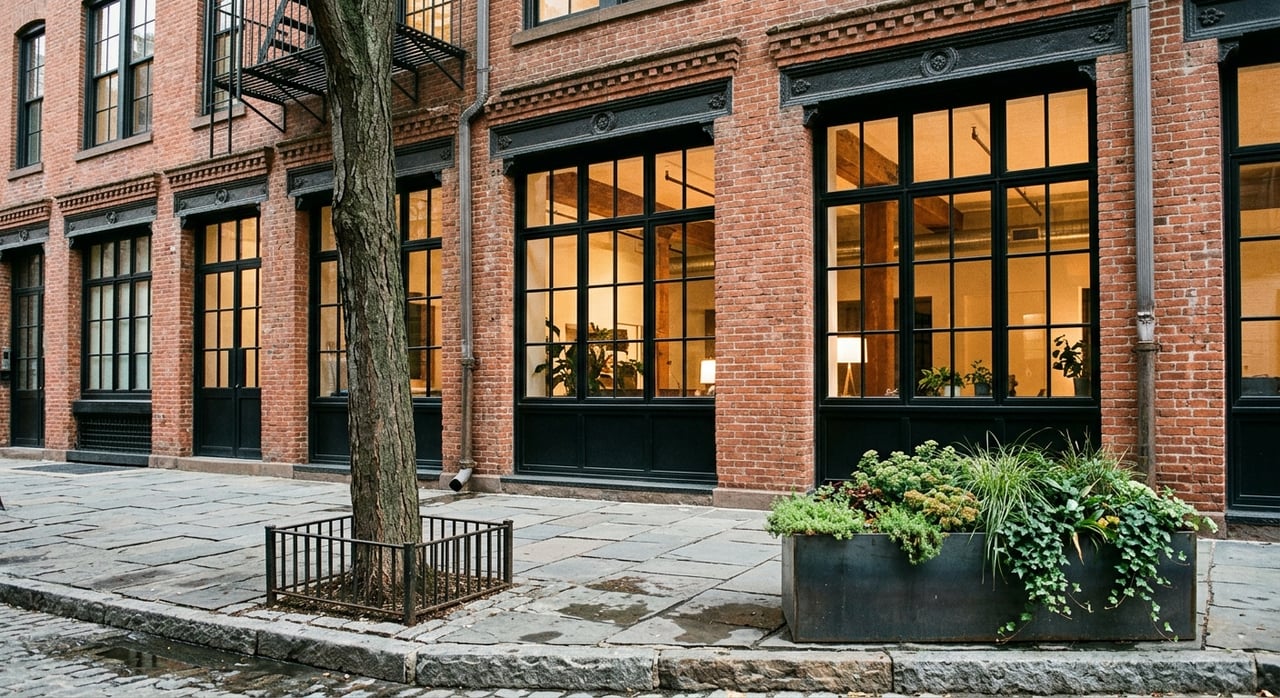
You will find a neighborhood shaped by several eras at once. Historic sources describe a mix of nineteenth-century townhouse streets, prewar apartment buildings, converted industrial properties, loft buildings, and newer residential towers, all within a relatively compact area. That variety is a big part of Chelsea’s appeal if you want options beyond a one-style-fits-all Manhattan experience.
Chelsea is often a lifestyle-first neighborhood. For many buyers, the draw starts with what your day can look like here: coffee on a residential block, a walk past galleries in West Chelsea, errands near major avenues, and time outdoors along the waterfront or the High Line.
The neighborhood is also highly walkable, though your exact experience depends on where you live. Some addresses feel especially close to transit, restaurants, and public spaces, while others trade a longer subway walk for quieter blocks or proximity to the west side’s gallery and loft areas.
The High Line is one of Chelsea’s defining public amenities. It is a 1.45-mile elevated freight rail structure that runs from Gansevoort Street to West 34th Street between 10th and 11th Avenues, and it hosts more than 450 public programs and activities each year.
That matters if you are thinking about everyday quality of life, not just sightseeing. The High Line functions as a park, walking route, and cultural space, with planting design and public art woven into the experience. Friends of the High Line also notes that art by more than 120 artists has been presented there, reinforcing Chelsea’s creative identity.
Chelsea remains one of Manhattan’s strongest gallery districts. NYC Tourism describes the area as roughly 10 blocks long, from 18th to 28th Streets between 10th and 11th Avenues, with contemporary art in every medium.
The same source says the neighborhood is home to about 200 art galleries, along with dozens of cafés, bars, and restaurants. For you as a buyer, that means the art scene is not just a visitor attraction. It is part of the neighborhood’s regular rhythm and one reason Chelsea continues to feel culturally active year-round.
Chelsea’s dining appeal is not limited to special occasions. Chelsea Market remains one of the area’s major lifestyle anchors, offering a mix of food and retail with fishmongers, butchers, artisanal cheeses, produce, and imported dry goods.
Its concourse is open daily from 7 a.m. to 10 p.m., and the market says it attracts about 6 million visitors annually. Current directory listings there include options such as Lobster Place, Mŏkbar, La Devozione, and Bar Suzette, which helps show the range of grab-and-go, grocery-adjacent, and casual dining choices available nearby.
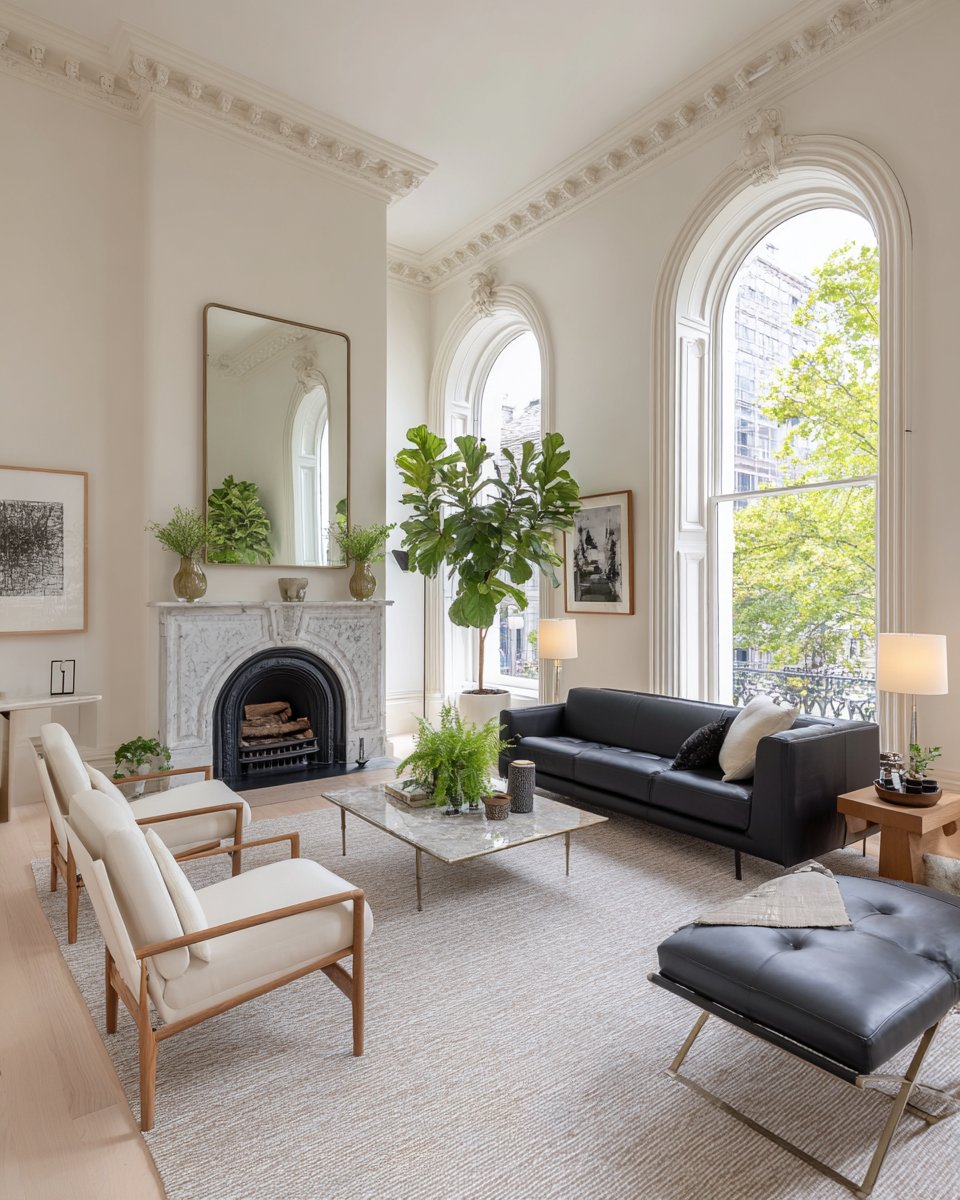
One of Chelsea’s biggest strengths is housing variety. This is not a neighborhood where every building offers the same layout, finish level, or ownership structure. Instead, your options often fall into three broad categories: historic rowhouses and prewar co-ops, loft-style conversions, and newer condos.
That range can be helpful if you are trying to match your purchase to your lifestyle, budget, and long-term plans. It also means comparing Chelsea homes usually requires more nuance than simply looking at price per square foot.
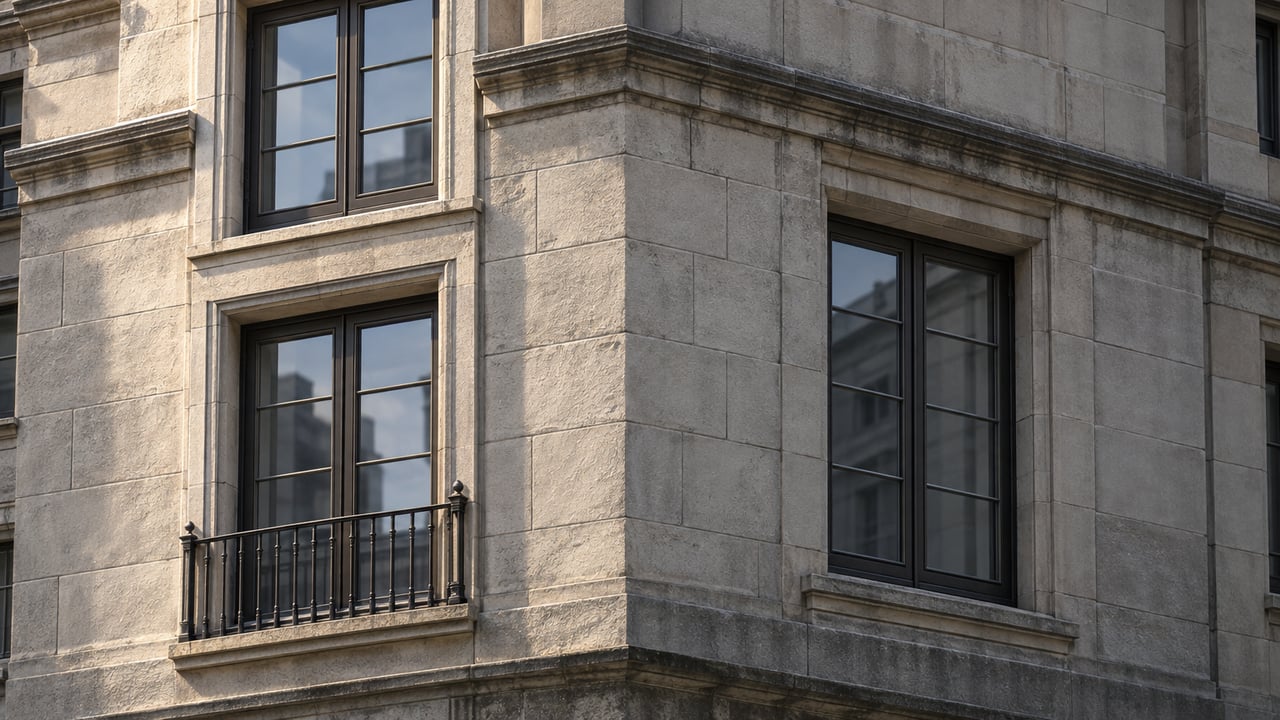
In the historic core, Chelsea is known for preserved rowhouse streets and traditional residential blocks. The Chelsea Historic District designation materials describe a fine residential area with a uniform streetscape, deep front gardens, and houses built mainly in major nineteenth-century architectural styles.
A current NYC planning report adds that the district is associated with Greek Revival and Italianate row houses, includes roughly 250 one- to four-family homes, and contains the neo-Gothic General Theological Seminary. If you are drawn to architectural character and quieter block-by-block living, this part of Chelsea may be especially appealing.
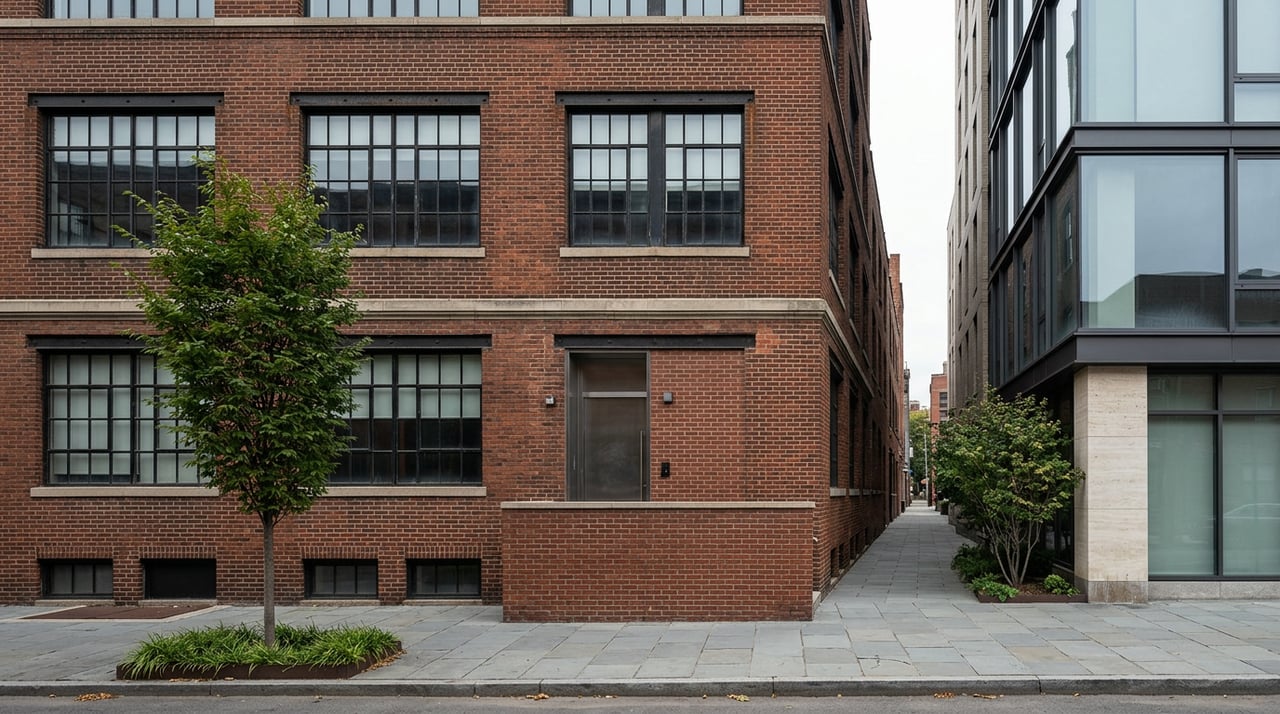
West Chelsea tells a different housing story. The West Chelsea Historic District report emphasizes factory and warehouse buildings, large window openings, loading bays, and the High Line running directly beside several properties.
This former industrial zone became one of Manhattan’s best-known loft-and-gallery areas. If you like open layouts, high ceilings, oversized windows, and a stronger sense of converted industrial character, West Chelsea often delivers that look and feel in ways other neighborhoods cannot easily replicate.
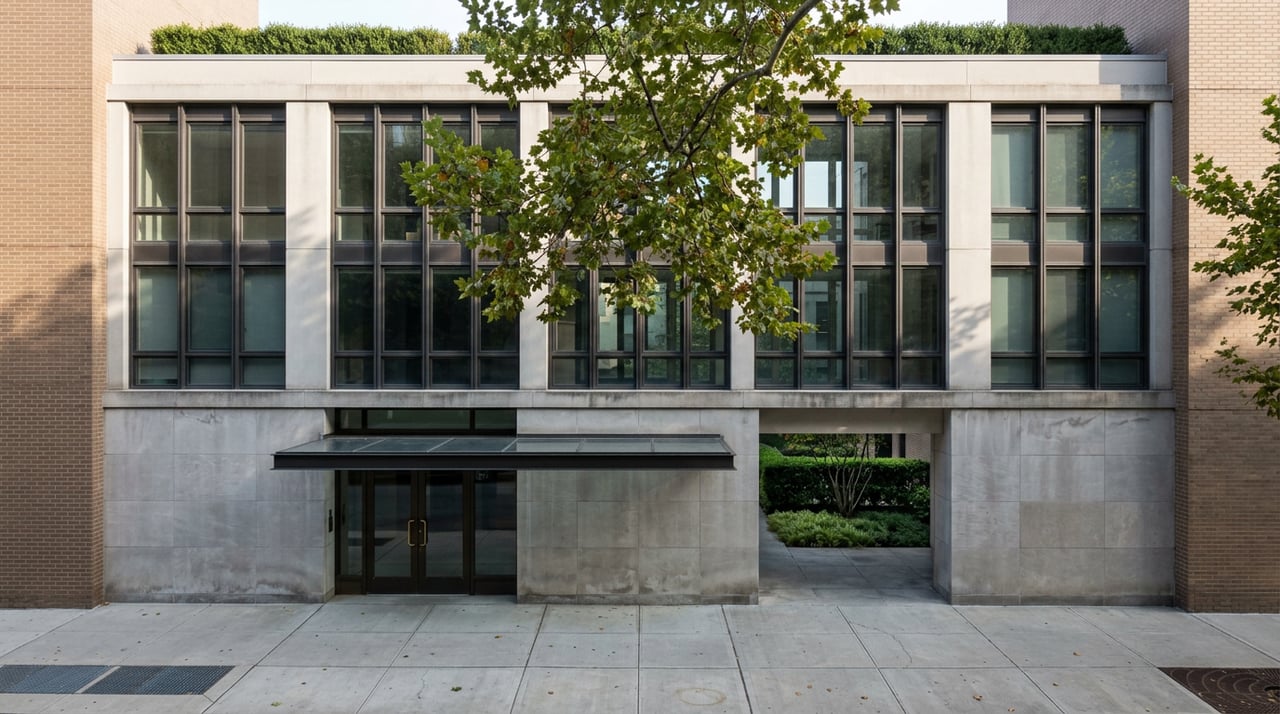
Chelsea has also seen substantial new development, especially near the High Line, according to StreetEasy’s neighborhood overview. These newer condos often appeal to buyers who want a more turnkey experience and a stronger amenity package.
Current listing examples on StreetEasy show features such as 24-hour doormen, gyms, common rooftops, lounges, concierge-style services, and bike rooms in newer buildings. If convenience and full-service living rank high on your list, this segment of the market may feel like the easiest fit.
Choosing the right Chelsea home often starts with understanding how the building type shapes your day-to-day experience.
| Building type | Common traits | Best for |
|---|---|---|
| Prewar co-op | Classic layouts, elevator buildings, part-time doormen, laundry, live-in supers | Buyers who value traditional character and established residential buildings |
| Loft conversion | Open plans, volume, large windows, industrial details, character-driven interiors | Buyers who want space, light, and a more distinctive architectural feel |
| Newer condo | Full-service staffing, gyms, rooftops, lounges, bike rooms, modern finishes | Buyers seeking amenities, convenience, and a more turnkey setup |
In practice, each category comes with tradeoffs. Prewar co-ops may offer classic proportions and charm, while newer condos may provide more amenities and simpler daily logistics. Loft conversions often sit somewhere in between, with a strong emphasis on light, scale, and personality over resort-style perks.
Chelsea is generally a premium Manhattan market. StreetEasy currently reports a median sale price of $1.3 million, a median base rent of $5,500, and a median of 62 days on market.
StreetEasy also notes that much of Chelsea’s traditional housing stock remains prewar co-ops, even as newer development has expanded the condo inventory. For buyers, this means you are often balancing three things at once: location, building type, and carrying costs.
Another data point in the research shows how methodology can change the numbers. Zillow places the average home value in Chelsea at about $1.60 million as of January 31, 2026, with 268 homes for sale and homes going pending in about 115 days. The key takeaway is not that one source is better than another, but that Chelsea remains a higher-cost neighborhood where pricing can vary meaningfully by product type and exact location.
Chelsea is well connected, but not every block feels the same. StreetEasy notes that the neighborhood is geographically wide, so some homes come with a longer walk to the subway than buyers initially expect.
The MTA line maps show nearby access to the C/E, 1/2/3, and 7 trains, with key stops at 14th Street, 23rd Street, and 34th Street-Hudson Yards. In practical terms, you may want to think less in terms of whether Chelsea has transit and more in terms of which part of Chelsea best fits your routine.
Chelsea tends to work well for buyers who care deeply about neighborhood experience. If you value walkability, gallery access, food options, architecture, and a polished urban routine, Chelsea offers a lot in one place.
It can be especially appealing if you are deciding among:
The tradeoff is usually cost. The research suggests Chelsea is a strong fit for buyers who prioritize lifestyle, design, and location over getting the maximum amount of space for the dollar.
Before you focus on a specific listing, it helps to narrow your priorities. In Chelsea, small changes in block, building type, or avenue placement can meaningfully change how a home lives and how it is priced.
Here are a few smart questions to ask yourself early:
If you are weighing those tradeoffs, working with an advisor who understands co-ops, condos, and the nuances between Chelsea’s subareas can make the search much more efficient. If you want calm, practical guidance on buying or selling in Chelsea, PS New York Real Estate can help you evaluate building types, lifestyle fit, and next steps with a clear plan.
Stay up to date on the latest real estate trends.


We deliver seamless real estate experiences, matching clients with Manhattan’s finest properties while balancing lifestyle, budget, and investment goals.
PS New York Real Estate
PETER MCLEAN
[email protected]
(646) 801-3244
License #10401318818
SONIA COZZI
[email protected]
(917) 916-7040
License #10401382795
ADDRESS 157 COLUMBUS AVE RM 2W NEW YORK NY 10023