What It’s Like To Live In An Upper West Side Co-op
March 5, 2026
March 5, 2026
Thinking about a co-op on the Upper West Side but not sure what daily life really feels like? You picture tree-lined blocks, iconic parks, and classic apartments with character, then remember there are board rules, maintenance fees, and interviews to manage. You’re not alone. In this guide, you’ll learn how life in an Upper West Side co-op actually works, what the buildings are like, what monthly costs cover, how board approvals go, and what to check before you buy. Let’s dive in.
Step outside and you have two world-class parks framing the neighborhood. Central Park sits to the east, and Riverside Park and the Hudson River to the west. The area runs roughly from West 59th Street to West 110th Street, with a calm, residential feel, easy access to culture, and a walkable grid that makes everyday errands simple. For a quick neighborhood overview, start with this concise Upper West Side summary.
You’ll find a steady pace to daily life here. Mornings often start with runs in the park and coffee on Columbus, Amsterdam, or Broadway. Afternoons bring museum visits or grocery runs. Evenings mean neighborhood dining or a performance at Lincoln Center. Classic local spots and specialty grocers add to the sense of place, and the streets feel lively without feeling rushed.
If you are early in your search, know the Upper West Side sits in Manhattan’s mid-to-upper price band and ranges widely by bedroom count and building type. For current trends, check a PropertyShark market snapshot to see active medians and quarter-to-quarter movement.
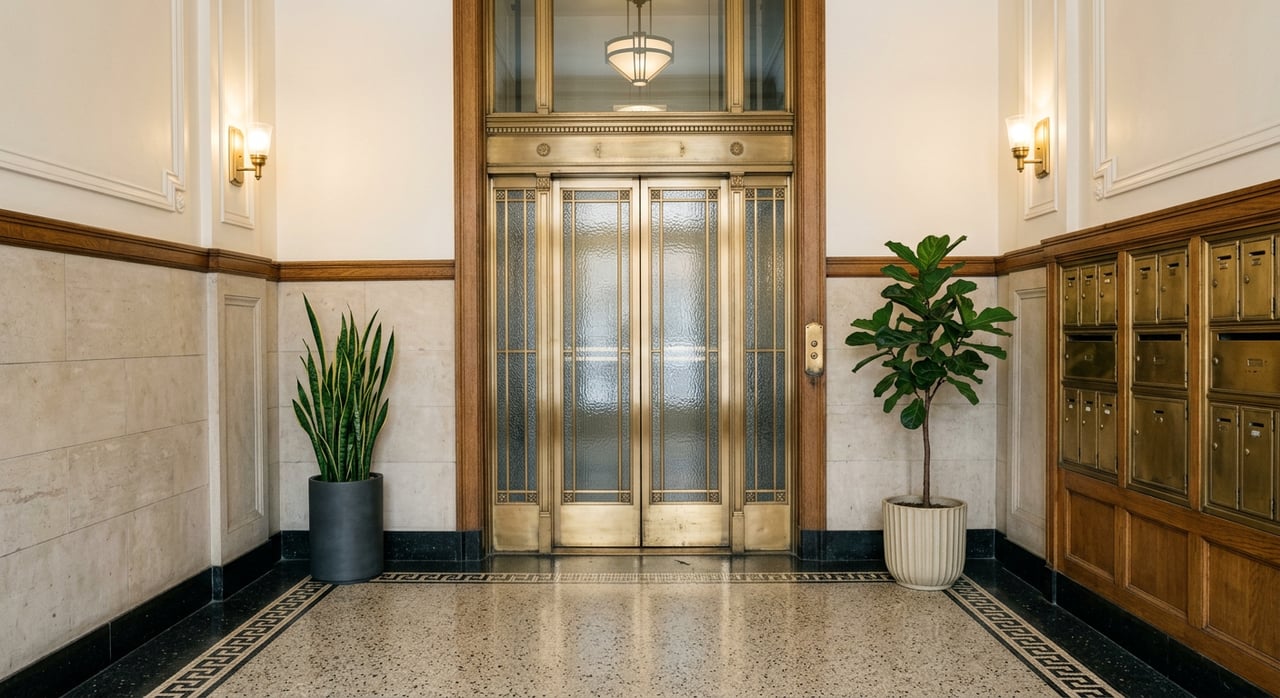
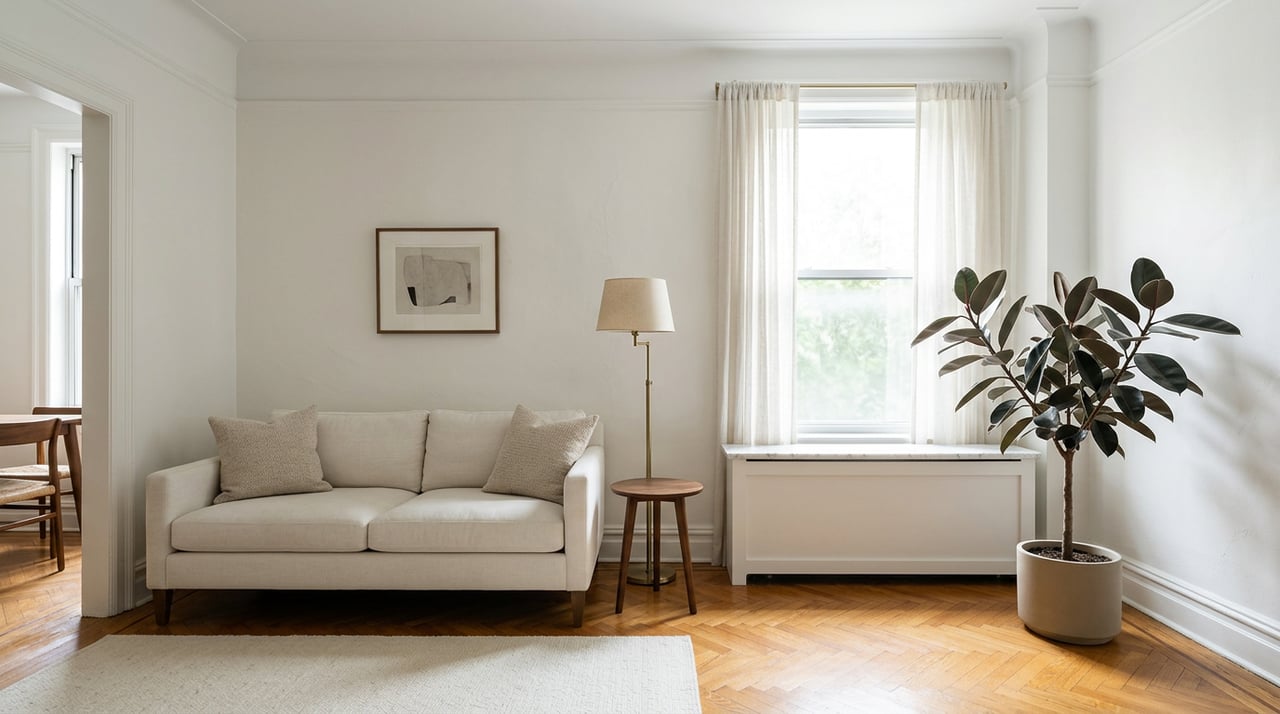
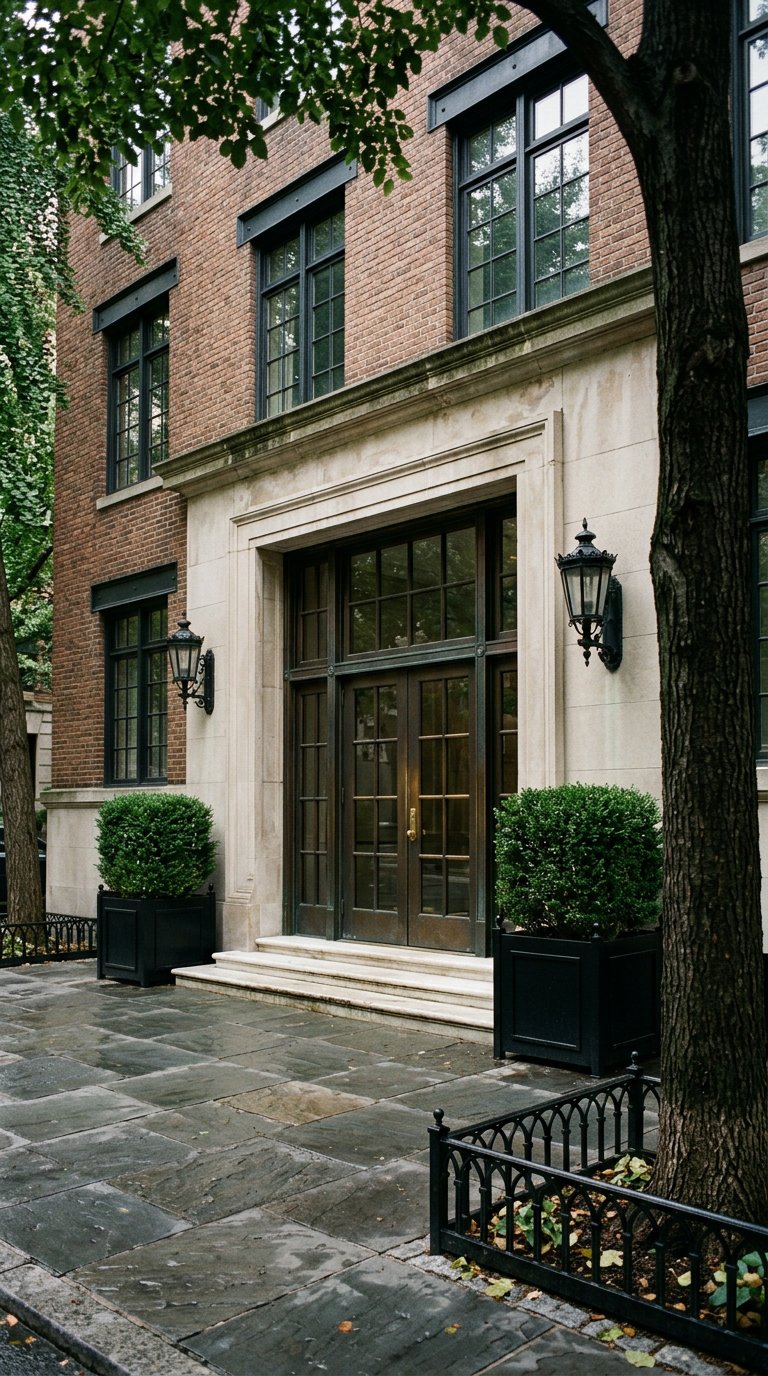
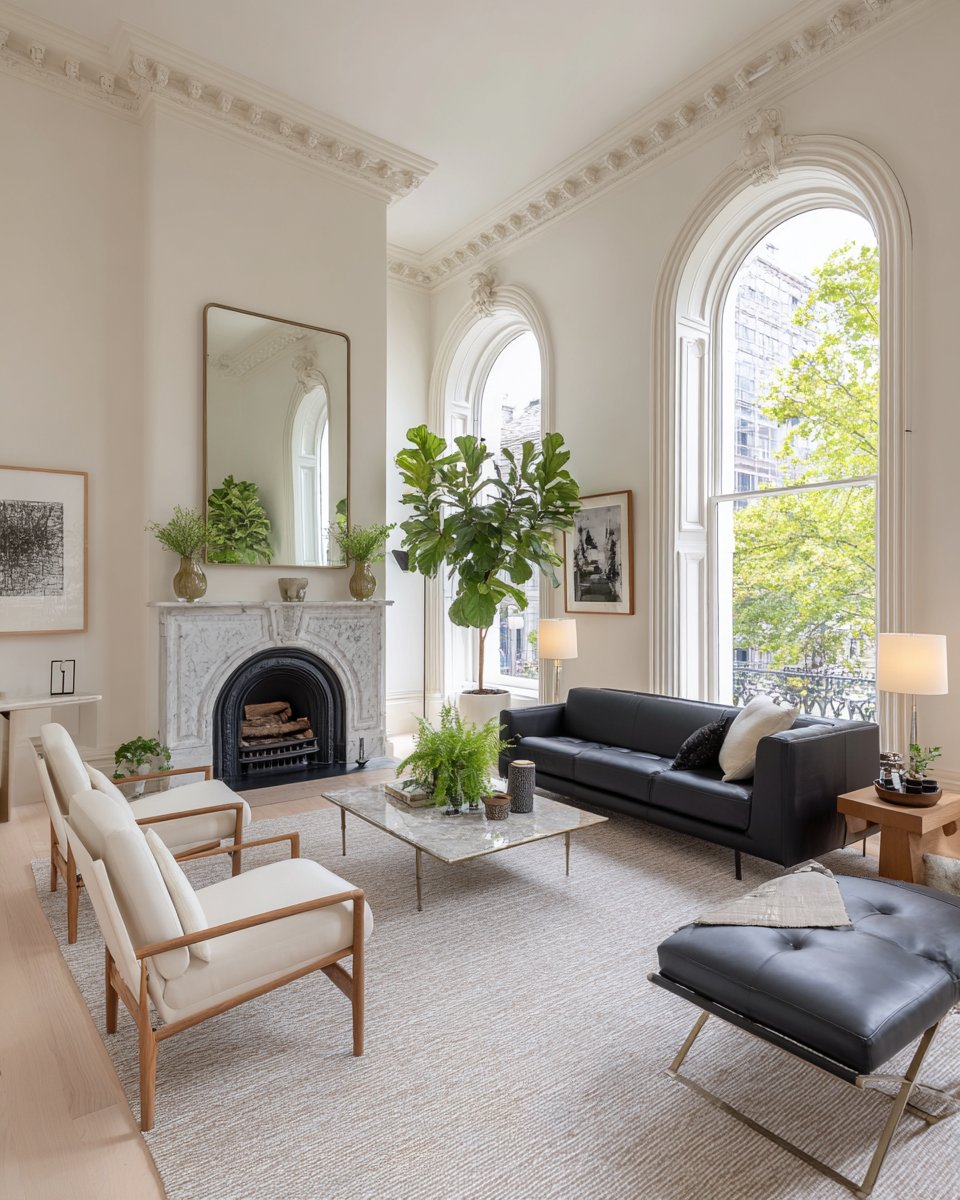
Much of the Upper West Side’s housing stock consists of prewar co-ops. You’ll see brownstones, limestone and masonry apartment houses, and larger early 20th-century buildings that were later converted to cooperative ownership. These homes often showcase plaster moldings, higher ceilings, and solid walls, which can influence how easily you can open rooms during a renovation. For a quick primer on common features, this overview of prewar apartments is helpful.
You will encounter listings that reference traditional prewar plans like the classic six and classic seven. In plain terms, these apartments typically have a defined living room and dining room, two or three bedrooms, plus a smaller additional room that is often used today as an office, guest space, or nursery. Many owners open the kitchen to the dining room, but structural walls are common, so any changes require careful planning and board approval.
Older co-ops often deliver more rooms and total square footage than newer condos at a given price point. The tradeoff is that some prewar units may lack in-unit laundry, central air, or updated mechanicals unless they have been renovated. Many buyers on the Upper West Side choose character and space, then modernize over time.
In a co-op, you do not buy a deed to a specific apartment. Instead, you buy shares in the building’s corporation, and those shares give you the right to occupy your apartment through a proprietary lease. This model is different from a condominium and gives the co-op board more say in buyer approval and building rules. For a quick refresher on the basics, read this co-op vs condo primer.
Co-op maintenance is a bundled monthly payment. It usually includes the building’s operating costs such as staff, insurance, and common-area utilities. It also typically includes your portion of the building’s property taxes, and in some buildings, payments on an underlying building mortgage.
Maintenance can look higher than condo common charges because co-op owners are paying tax and, sometimes, building debt within that one line item, while condo owners pay those costs separately. For a plain-language overview of how maintenance compares with condo common charges, see this explanation from Brick Underground. Your exact monthly number will vary by building size, staff level, capital plans, and tax allocation, so review the building’s latest budget and financials before making an offer.
Every co-op has an application process. Expect to submit a detailed board package that includes your contract, financial forms, tax returns, bank and brokerage statements, employment verification, mortgage commitment, and personal and professional reference letters. Boards vary in strictness, but you should plan for a review window that often runs 4 to 8 weeks. This board approval guide provides a useful overview of common expectations.
Many Upper West Side co-ops ask for at least 20 percent down, with more conservative buildings preferring 25 to 50 percent or even all-cash in select cases. Boards also commonly require post-closing liquidity equal to 12 to 24 months of mortgage and maintenance, and they can apply stricter debt-to-income rules than lenders. A buyer can qualify for a mortgage and still not meet a specific board’s standard. This summary of how to buy a co-op in NYC outlines those typical board requirements.
If your package is accepted, you will likely be invited to a board interview. It is usually brief and focused on confirming your information and fit with house rules. Keep answers consistent with your paperwork, be concise, and avoid introducing renovation plans unless asked. Your agent will help you prepare so you feel comfortable and ready.
Co-ops are built around primary residency and community stability, so subletting is often limited. Some buildings restrict sublets during the first one or two years of ownership, and many cap the total length of time you can sublet. Flip taxes are also common. They are building transfer fees due on sale and can be structured in different ways. Always request the building’s house rules, sublet policy, and flip-tax language early. You can find an overview of these policies in this NYC co-op buying guide.
Expect formal procedures for renovations and move-ins. Buildings regulate contractor hours, elevator use, deliveries, and alteration agreements, which protect common areas and keep projects orderly. The process adds planning time, but it also helps maintain building quality and neighbor relations.
Day-to-day life in a co-op feels structured and neighborly. The culture can vary by building. Some are highly serviced with 24/7 doormen, porters, and live-in supers, which is convenient and adds to monthly costs. Others are smaller or self-managed with fewer amenities and lighter staff. House rules set quiet hours, common-area usage, and committee life. That structure is part of the appeal for many owners who value shared standards and long-term stability.
Use this checklist to focus your search and due diligence. Ask the listing agent or managing agent for the following:
Budget for your attorney, building and managing agent processing fees, a move-in deposit, the first month of maintenance, any building flip tax, and state or city transfer and mansion taxes for purchases at $1 million or more. Your lender and attorney can prepare an itemized estimate based on price, building policies, and loan terms. Ask for this early so there are no surprises later.
Living in an Upper West Side co-op blends classic New York architecture with everyday convenience. You get established buildings, block-by-block charm, and a culture that values order and long-term ownership. Your elevator is padded on move-in day, packages are logged, and quiet hours are observed. You also get real neighbors and staff who know your name, plus immediate access to parks, museums, local shops, and performing arts.
Co-ops require more documentation, clearer finances, and patience with process, but many buyers feel the tradeoff is worth it. If that mix of structure, space, and neighborhood rhythm sounds right to you, a UWS co-op can be a great fit.
Ready for next steps? Connect with PS New York Real Estate for a calm, step-by-step plan to find the right co-op, prepare a strong board package, and coordinate your lender, attorney, and building team from accepted offer to closing.
Stay up to date on the latest real estate trends.

We deliver seamless real estate experiences, matching clients with Manhattan’s finest properties while balancing lifestyle, budget, and investment goals.
PS New York Real Estate
PETER MCLEAN
[email protected]
(646) 801-3244
License #10401318818
SONIA COZZI
[email protected]
(917) 916-7040
License #10401382795
ADDRESS 157 COLUMBUS AVE RM 2W NEW YORK NY 10023