What Hudson Yards Condo Living Is Really Like
May 28, 2026
May 28, 2026
If you are considering a move to Hudson Yards, you are probably asking a simple question: what does daily life here actually feel like? That is a smart question, because Hudson Yards is not just another Manhattan address. It is a newer, more intentionally planned neighborhood with modern condos, strong amenities, and a lifestyle built around convenience. In this guide, you will get a practical look at what to expect from condo living in Hudson Yards, from the buildings themselves to the rhythm of everyday life. Let’s dive in.
Hudson Yards sits on Manhattan’s West Side between 30th and 34th Streets and 10th to 12th Avenues. It is north of Chelsea and south of Hell’s Kitchen, which places it within a broader part of the West Side that already has deep residential and commercial roots. Even so, the neighborhood has a noticeably different feel from many older Manhattan areas.
That difference starts with how it was created. New York City Planning describes the 2005 Hudson Yards rezoning as a response to an underused area that had long included parking lots, warehouses, auto body shops, and open rail cuts. The plan called for new open space, the 7 train extension, and a mixed-use 24-hour neighborhood that would complement Midtown and Chelsea.
As a result, Hudson Yards often feels more cohesive and polished than neighborhoods that developed block by block over many decades. The streetscape, public spaces, and buildings reflect a more unified vision. If you like a cleaner, more streamlined urban environment, that is likely part of the appeal.
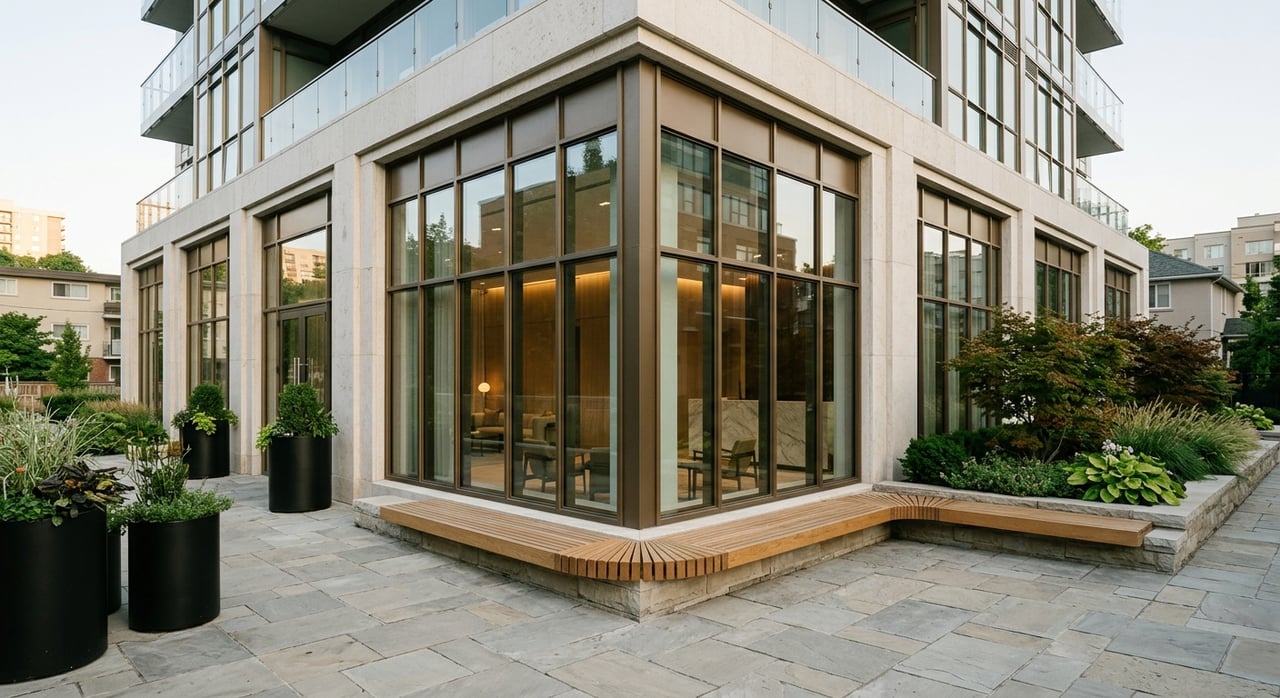
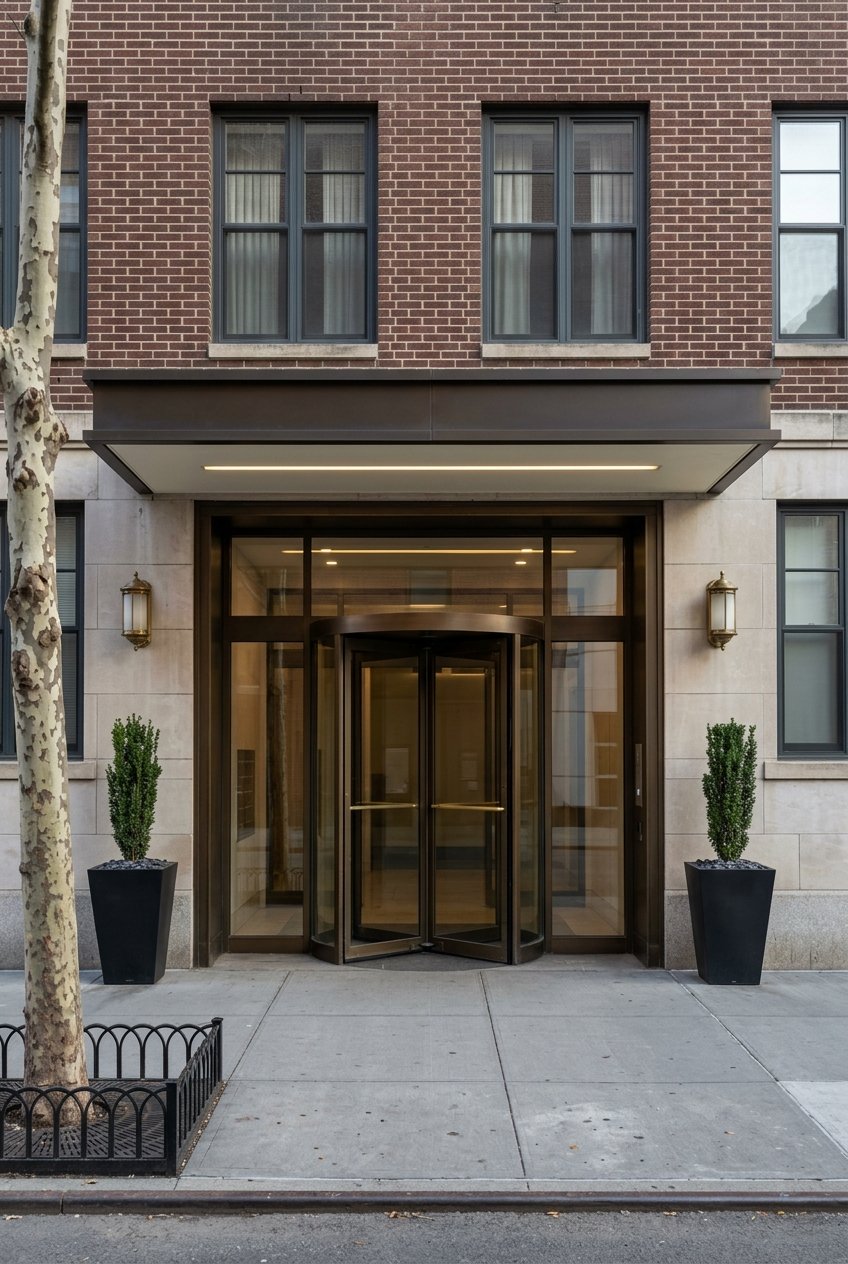
One of the biggest draws in Hudson Yards is the newer building stock. If you are coming from an older Manhattan condo or co-op search, the contrast can be clear right away. Here, condo living often emphasizes modern design, service, and convenience in equal measure.
Hudson Yards’ own residential materials highlight for-sale towers such as Fifteen Hudson Yards and 35 Hudson Yards. Across the neighborhood, official descriptions point to amenities that are relatively rare in Manhattan, including pools, sun terraces, fitness centers, gathering spaces, and resident access tied to neighborhood businesses and events.
In practical terms, that means you are often buying into more than an apartment. You are buying into a building experience that may include staffed services, wellness spaces, and shared areas designed to make daily life easier. For many buyers, that lifestyle piece matters just as much as square footage.
Representative condo offerings in Hudson Yards point to a distinctly contemporary product. Fifteen Hudson Yards, for example, was marketed with one- to four-bedroom homes, floor-to-ceiling windows, white oak flooring, Miele appliances, and panoramic river and skyline views.
The same building also highlighted features such as fresh-air filtration, Lutron home automation, and greywater recycling. While features vary by building and unit, the larger pattern is clear. In Hudson Yards, you should expect newer finishes, integrated technology, and design choices that lean modern rather than traditional.
If you are comparing condos here with options in older neighborhoods, amenities will likely stand out. At 35 Hudson Yards, official residential materials describe private lounges, indoor and outdoor pools, resident-only fitness, private offices, a screening room, a billiards area, a golf simulator lounge, and hotel-style service coordination through a dedicated director of residences.
That does not mean every building offers the same package, but it does show the standard many buyers associate with the neighborhood. Condo living here is often designed around low-friction routines. If you value convenience, wellness, and on-site support, Hudson Yards may check a lot of boxes.
A neighborhood can look great on paper and still feel inconvenient in real life. Hudson Yards stands out because the daily routine is one of its strongest selling points. Open space, transit, dining, and retail are all tightly woven into the experience of living here.
The neighborhood’s opening materials describe 14 acres of public plazas, gardens, and groves, with the Public Square and Gardens serving as the heart of the area. That public realm helps soften the density of the surrounding towers and gives residents places to walk, sit, and move through the neighborhood without always feeling rushed.
Hudson Yards includes a five-acre Public Square and Gardens within its broader open-space network. Official neighborhood materials also note that this network connects the High Line, Hudson Park & Boulevard, and Bella Abzug Park into a continuous chain of open space stretching from Gansevoort Street to Times Square.
For residents, that creates a more park-connected lifestyle than many people expect in Midtown-adjacent Manhattan. You can build walks, coffee runs, and outdoor breaks into your day without needing to travel far. That can make the neighborhood feel more livable, especially if you want city energy without giving up access to open air.
The High Line is not just a visitor attraction nearby. NYC Parks describes it as an elevated freight rail line transformed into a public park, and one of its access points is the 30th Street Hudson Yards ramp.
That matters because it allows residents to use the High Line as a walking route in everyday life. Instead of treating it as a once-in-a-while destination, you can fold it into your normal movement through the West Side. For many buyers, that adds a quality-of-life benefit that feels very specific to Hudson Yards.
Hudson Yards describes itself as home to more than 100 shops and culinary experiences. Its directory includes coffee spots, grab-and-go options, casual dining, cocktails, and destination restaurants, including places like Blue Bottle Coffee, Eataly Caffè, and Mercado Little Spain.
That concentration shapes your day more than you might think. It means breakfast, lunch, dinner, errands, and meeting friends can often happen within a short walk. If you like the idea of a neighborhood that functions efficiently, Hudson Yards offers that in a very direct way.
For many Manhattan buyers, commute and mobility are just as important as the apartment itself. Hudson Yards performs well here. The 34 St-Hudson Yards station is ADA accessible, and the 7 train terminates there.
According to Hudson Yards directions materials, nearby transit options also include the M11, M12, and M34 Select Bus Service. Penn Station sits two blocks east, PATH is reachable from 33rd Street in Midtown, and the Midtown/West 39th Street ferry terminal is nearby.
That range of options supports a car-light lifestyle and can make the neighborhood especially practical if you travel often or move around different parts of the city. If convenience is high on your priority list, transit access is a meaningful part of Hudson Yards condo living.
Hudson Yards is not trying to be a copy of older Manhattan neighborhoods. Its appeal comes from offering something different. Based on the planning record and neighborhood materials, it tends to attract buyers who want new construction, strong building services, and an amenity-rich setting.
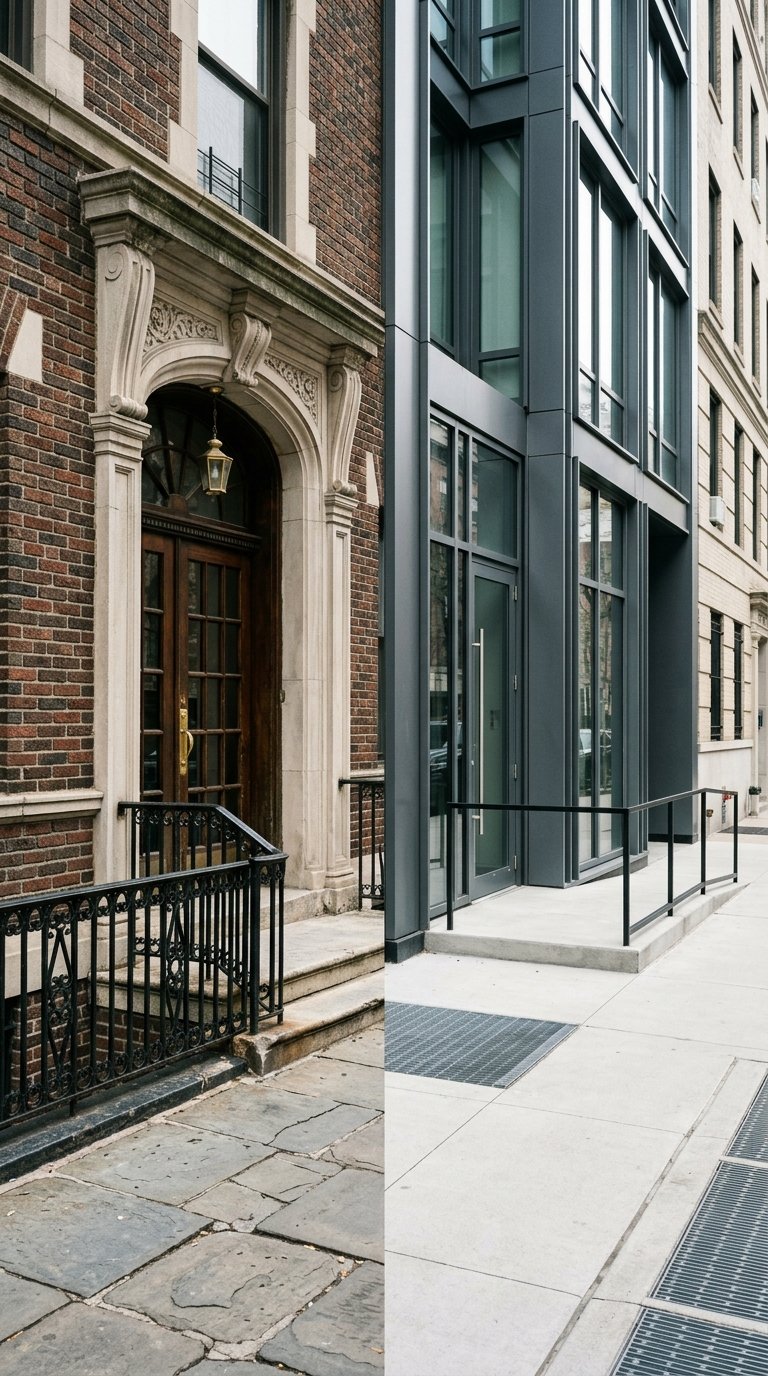
That usually makes it a better fit for people who prefer a polished and more predictable day-to-day experience. If you love prewar detail, smaller storefronts, and a more irregular street pattern, you may find older neighborhoods like Chelsea or Hell’s Kitchen better aligned with your style.
Neither approach is better across the board. It simply comes down to what kind of Manhattan experience fits your life. Hudson Yards offers convenience, newer buildings, and a more curated environment, while nearby established neighborhoods often offer more architectural variety and a less uniform feel.
Hudson Yards tends to make the most sense for buyers who want ease. That can include first-time condo buyers who want a straightforward building experience, busy professionals who value services and transit, and second-home or investment-minded buyers drawn to newer construction and full-service living.
It can also appeal to anyone relocating to Manhattan who wants a neighborhood that feels intuitive from day one. The combination of modern residences, concentrated retail, open space, and transit can reduce a lot of everyday friction. If your goal is a home that supports your routine as much as your lifestyle, Hudson Yards deserves a close look.
Before you focus only on finishes and amenities, think about how you want your week to feel. Do you want a building with strong wellness features and service? Do you care about having dining, errands, and outdoor space close by? Do you prefer newer systems and a more contemporary design language?
It also helps to compare Hudson Yards with nearby neighborhoods through the lens of routine, not just price or floor plan. A condo may look similar on paper, but the surrounding environment can create a very different living experience. In Manhattan, that distinction matters.
Working through those tradeoffs with a clear process can save you time and help you buy with more confidence. That is especially true in NYC, where building type, services, and location all shape the ownership experience in different ways.
If you are exploring condo options in Hudson Yards or comparing it with other Manhattan neighborhoods, PS New York Real Estate can help you evaluate the lifestyle fit, building differences, and next steps with calm, practical guidance.
Stay up to date on the latest real estate trends.


We deliver seamless real estate experiences, matching clients with Manhattan’s finest properties while balancing lifestyle, budget, and investment goals.
PS New York Real Estate
PETER MCLEAN
[email protected]
(646) 801-3244
License #10401318818
SONIA COZZI
[email protected]
(917) 916-7040
License #10401382795
ADDRESS 157 COLUMBUS AVE RM 2W NEW YORK NY 10023