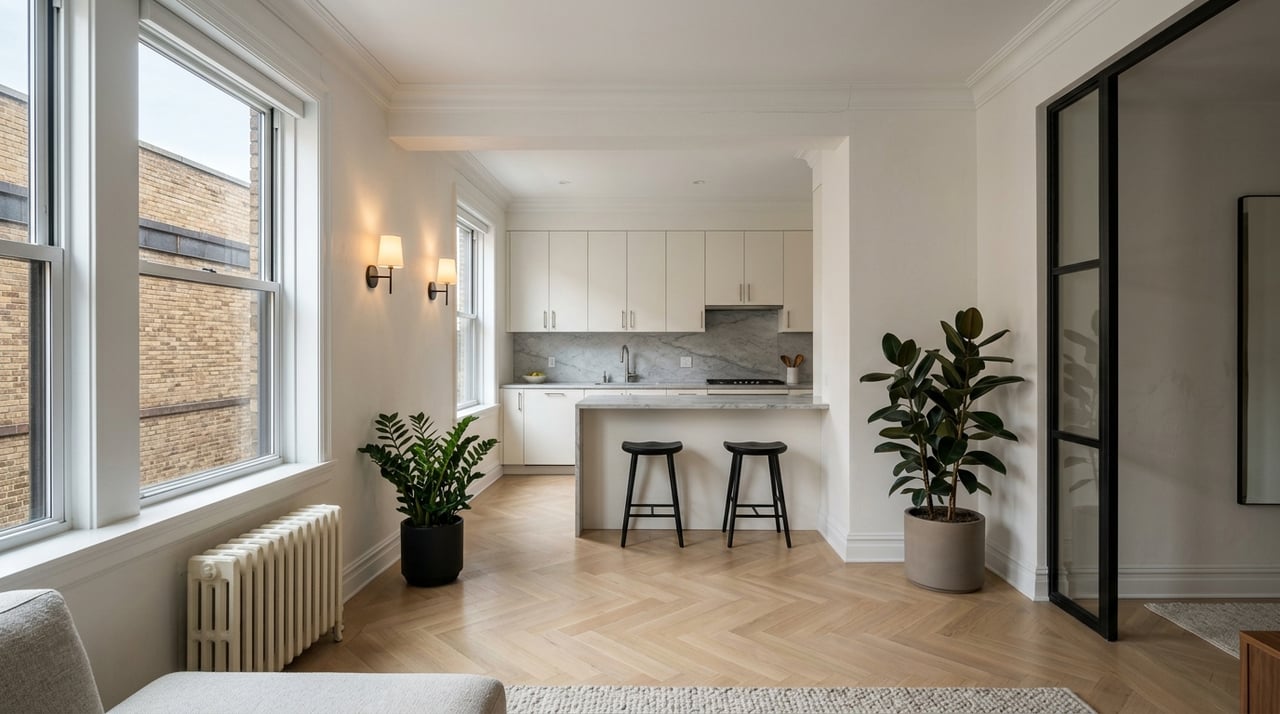
Upper West Side Lifestyle Housing: Classic vs Modern
July 9, 2026
July 9, 2026
You do not have to choose between charm and convenience on the Upper West Side. This neighborhood has room for both, which is part of what makes it so appealing if you are trying to match your home to your lifestyle, budget, and long-term plans. If you are weighing classic prewar living against a more contemporary setup, this guide will help you understand the tradeoffs and what to look for before you move forward. Let’s dive in.
The Upper West Side stretches from 59th Street to 110th Street along the west side of Central Park, and its architecture reflects that broad footprint. The area includes several historic districts and individual landmarks, which gives the neighborhood a layered feel rather than one single look.
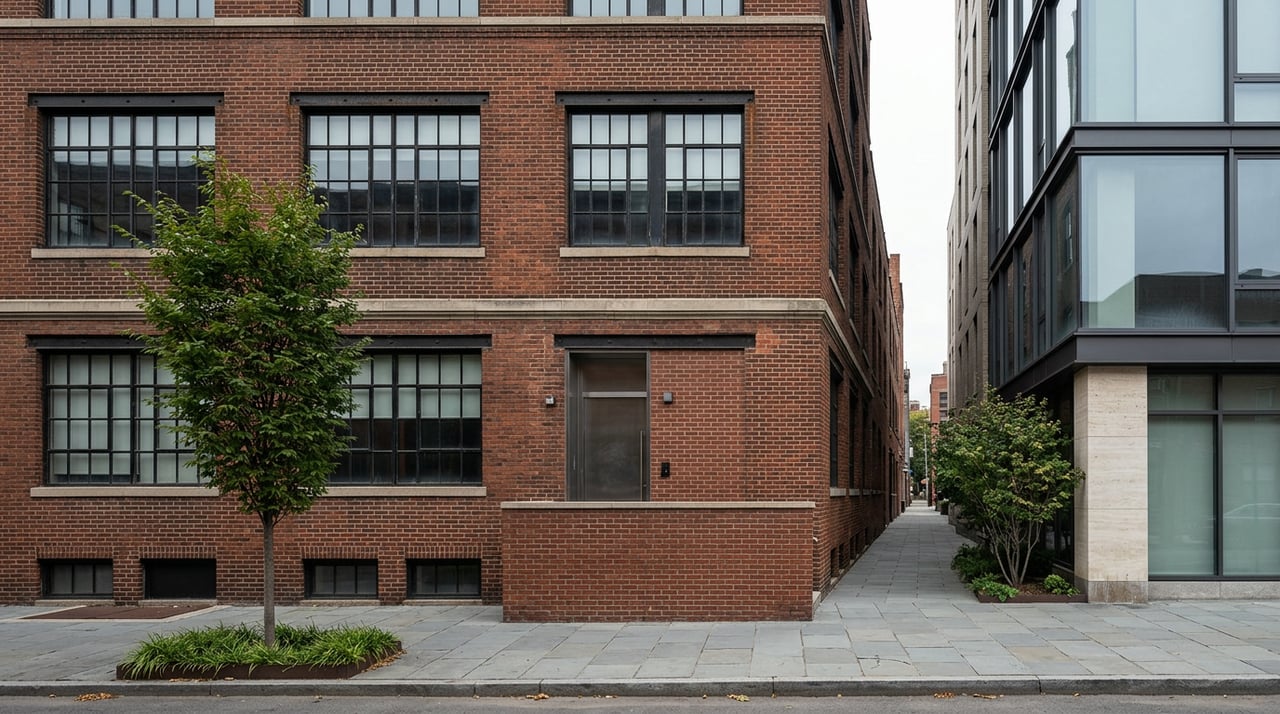
City Planning describes a built environment that includes large prewar apartment buildings on Riverside Drive and West End Avenue, along with three-to-five-story townhouses and multifamily buildings on narrower side streets. In Manhattan Valley, the mix also includes four-to-five-story apartment buildings, row houses, and 1950s tower developments farther north and west.
That variety matters when you start your search. On the Upper West Side, “classic” and “contemporary” are not opposites in separate neighborhoods. They often exist within a short walk of each other, with easy access to Central Park, Riverside Park, and strong public transportation.
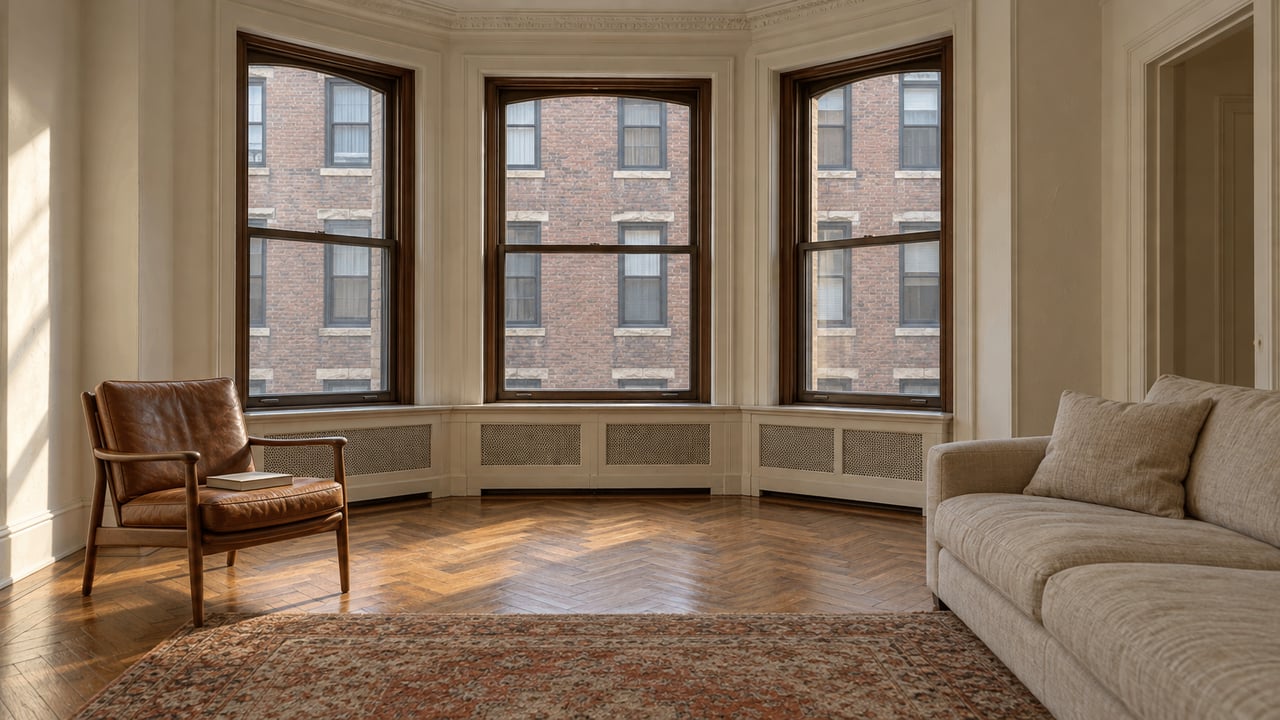
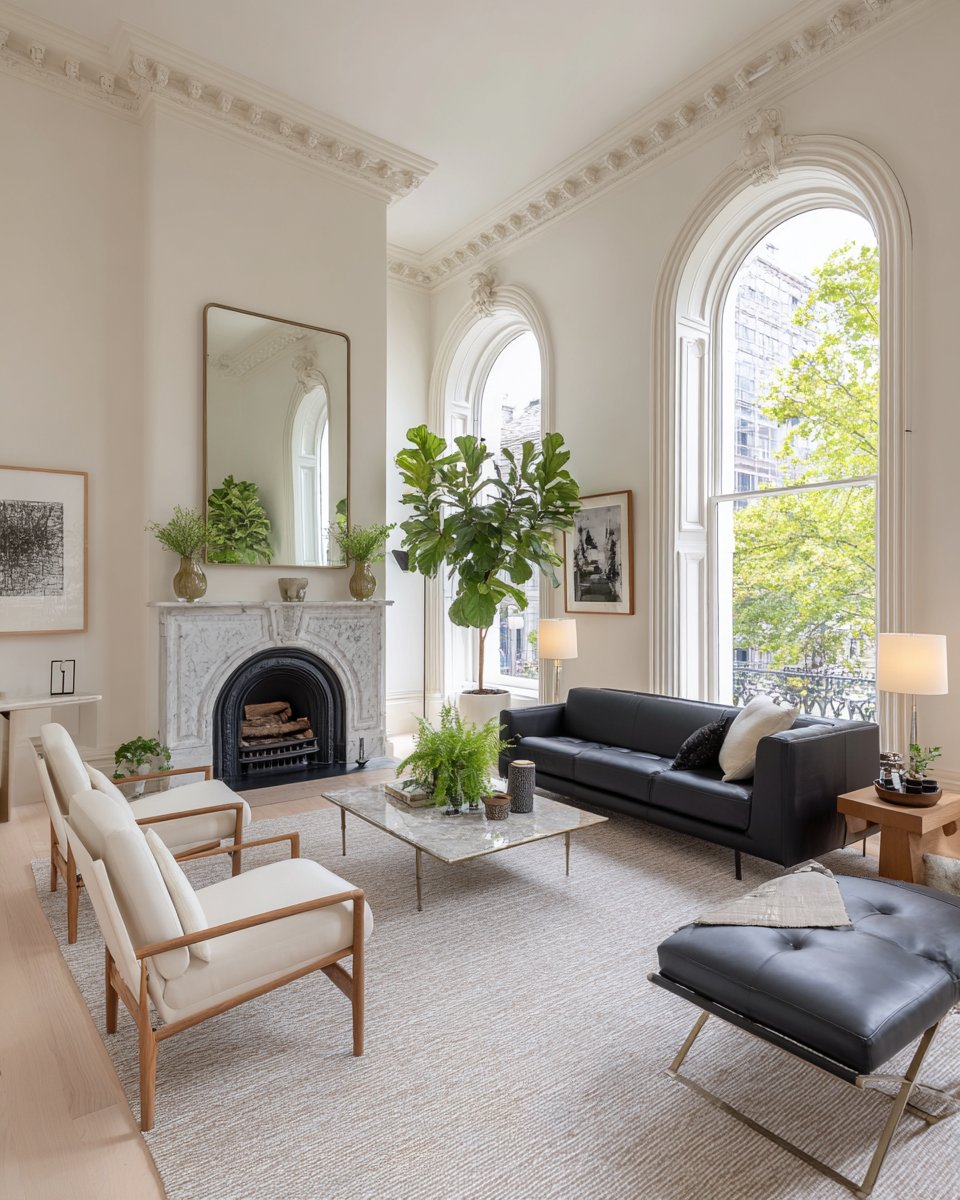
For many buyers, classic Upper West Side living means prewar co-ops, brownstones, and rowhouses. These homes often deliver the architectural details and established streetscapes that people picture when they think about this part of Manhattan.
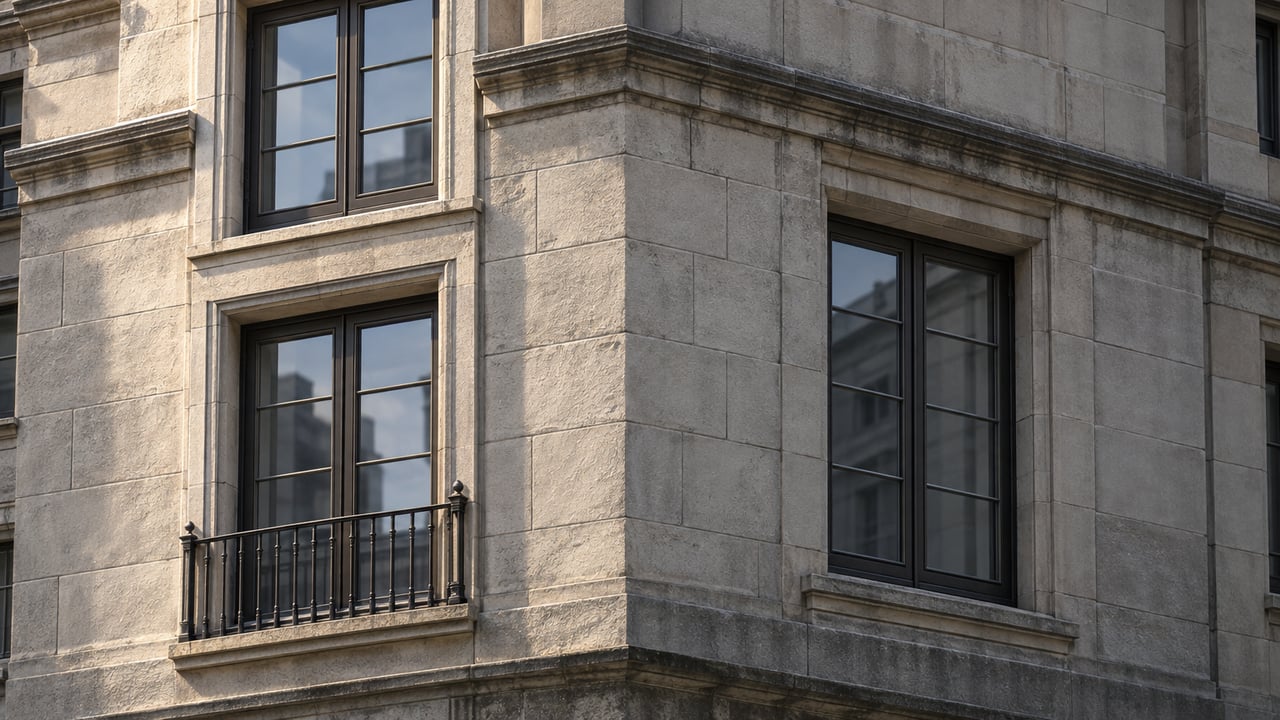
The Upper West Side/Central Park West Historic District was designated in 1990 and is primarily residential, with development dating largely from the 1880s through the 1930s. Styles in the district include Neo-Grec, Romanesque Revival, Beaux Arts, Neo-Renaissance, and Art Deco.
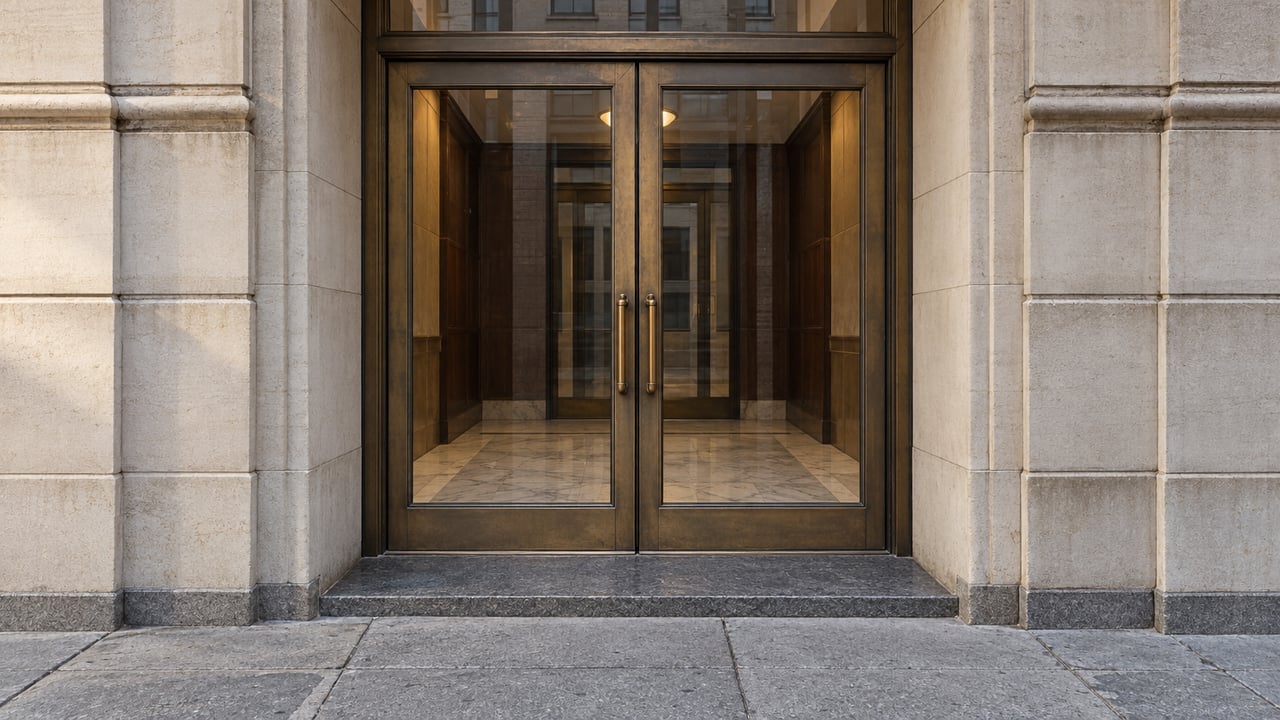
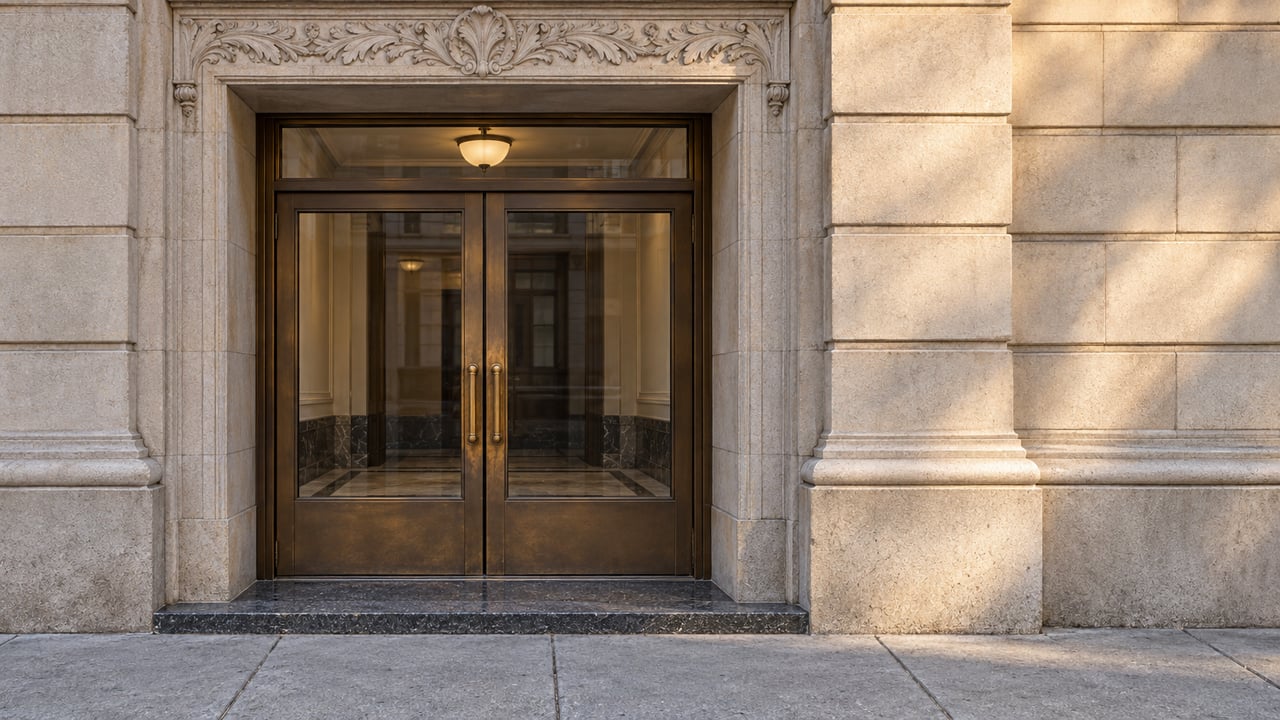
In practical terms, prewar buildings often offer a stronger sense of street wall, ornament, and visual continuity than newer towers. If you are drawn to formal entryways, detailed facades, and a more traditional residential atmosphere, a prewar co-op may feel like a natural fit.
In a co-op, you are not buying real property in the same way you do in a condo. According to the New York State Attorney General, you purchase shares in a corporation tied to a specific apartment and receive a long-term proprietary lease.
Your maintenance charges are based on the number of shares allocated to your apartment. That means your monthly cost structure is tied closely to the building’s finances, operations, and capital needs.
Older buildings can be wonderful places to live, but they require careful review. The New York State Attorney General advises buyers to study the offering plan, board minutes, financial reports, and the condition of major building systems.
Key systems to review include:
The same guidance notes that existing buildings always require repairs. It also points out that facade, roof, elevator, plumbing, electrical, and boiler work can be among the most expensive building-wide issues.
Classic Upper West Side living is not limited to apartment buildings. City Planning describes a pattern of tall avenue buildings paired with smaller-scale townhouses and multifamily buildings on side streets, especially west of Amsterdam Avenue.
In Manhattan Valley, the city notes row houses and four-to-five-story apartment buildings built around 1900 to 1920. Historic district records also show how common townhouses and rowhouse streetscapes are across the neighborhood’s historic core.
Brownstones and rowhouses often feel more private and house-like than a large apartment building. That can be a major plus if you want more separation, a different layout, or a smaller-scale residential experience.
That added privacy often comes with more direct responsibility. In a townhouse or brownstone, you are typically closer to the realities of the building envelope and maintenance cycle.
That makes due diligence especially important. Facade and window condition are core issues to evaluate, and if the property is landmarked, exterior work may involve additional review procedures and timing.
If your priorities lean toward light, services, and a more turnkey routine, contemporary Upper West Side living may be a better match. Newer condos and high-rise developments offer a different kind of daily experience, often built around convenience and shared amenities.
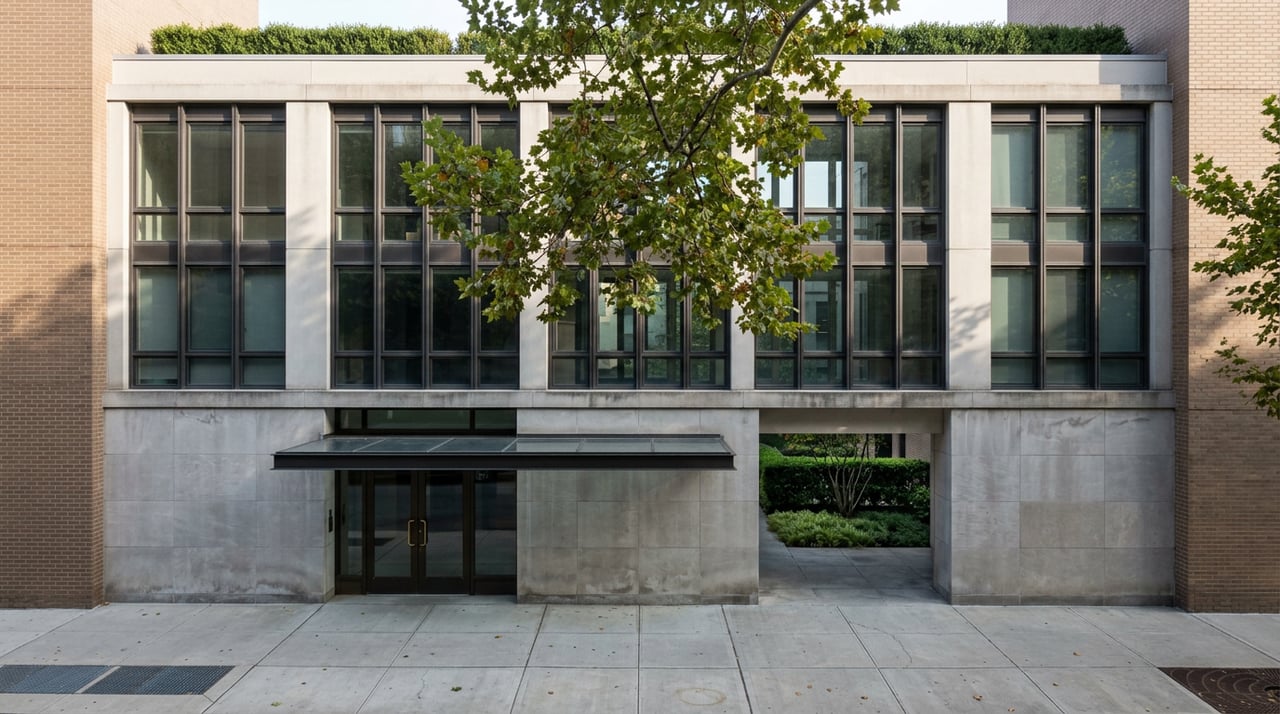
Contemporary developments on the Upper West Side often highlight glass facades, expansive layouts, and service-rich living. Examples in the neighborhood include newer high-rise buildings with concierge service, rooftop spaces, lounges, wellness areas, and other amenity programs.
For some buyers, that setup feels easier to step into right away. The appeal is less about historic detail and more about natural light, streamlined interiors, and a building that centralizes many day-to-day conveniences.
In a condominium, owners hold separate ownership of their unit plus an undivided interest in the common elements. The New York State Attorney General notes that expenses are charged according to common interests and that condo boards operate under by-laws.
For buyers considering newer condos, this structure makes monthly cost review especially important. You will want to understand common charges, how the building is operated, and how shared spaces and services affect ongoing ownership costs.
In older buildings, large capital projects can shape the budget picture. In newer towers, a significant part of the monthly burden often comes from staffing, amenities, and common charges.
That does not make one option better than the other. It simply means your cost analysis should match the type of building you are considering and the lifestyle you want from it.
On the Upper West Side, landmark status is an important part of the conversation for many classic homes. If a building is designated, the Landmarks Preservation Commission requires approval before most alterations, reconstruction, demolition, or new construction affecting the building.
That said, landmark designation does not freeze a property in place. LPC notes that ordinary exterior repairs and many interior alterations may not require review, though window replacement in designated buildings often does.
If you are renovation-minded, this is where timing and expectations matter. A landmarked prewar apartment or townhouse may still be a strong fit, but you should plan around review requirements for exterior work and understand how that may affect your schedule.
The best choice usually comes down to how you want to live, not just what looks good in photos. On the Upper West Side, each housing type offers a distinct rhythm of ownership.
A prewar co-op may make sense if you are drawn to architectural detail, established streetscapes, and a traditional residential feel. A brownstone or rowhouse may fit if you want a smaller-scale, more house-like setup with added privacy.
In both cases, it is smart to be ready for a more detailed review of building condition, maintenance needs, and, where relevant, landmark-related procedures.
A newer condo may suit you if you prefer brighter modern interiors, shared amenities, and service-heavy living. This option can feel more turnkey, especially if your goal is a simpler daily routine within a full-service environment.
The tradeoff is that convenience often shows up in common charges and amenity-related carrying costs. Reviewing those numbers closely is a key part of the decision.
If you are trying to narrow your options, start with a few simple questions:
When you answer those questions honestly, the right direction usually becomes clearer. On the Upper West Side, the goal is rarely to find the “best” style overall. It is to find the style that best supports how you want to live.
If you are sorting through prewar co-ops, brownstones, or newer condos on the Upper West Side, a clear process can make the decision feel much more manageable. The team at PS New York Real Estate helps you weigh lifestyle fit, building realities, and long-term value so your next move feels informed and straightforward.
Stay up to date on the latest real estate trends.


We deliver seamless real estate experiences, matching clients with Manhattan’s finest properties while balancing lifestyle, budget, and investment goals.
PS New York Real Estate
PETER MCLEAN
[email protected]
(646) 801-3244
License #10401318818
SONIA COZZI
[email protected]
(917) 916-7040
License #10401382795
ADDRESS 157 COLUMBUS AVE RM 2W NEW YORK NY 10023