Chelsea's Median Price Isn't Wrong. It's Two Numbers Wearing One Name.
September 17, 2026
September 17, 2026
Pull up three real estate data sites and search Chelsea condo prices for the same stretch of 2026, and you will get three different stories. One report puts the median condo sale around $1.9 million for the three months ending in April, up sharply from the year before. Another, covering roughly the same window, has the median closer to $2.2 million and sliding about 10 percent year over year. A third, looking at May alone, shows the median jumping to $2.9 million, a 59 percent swing from twelve months earlier.
None of those numbers is a typo. All three can be true at once, because they're measuring different things and calling them the same neighborhood. Chelsea has never been one housing market. It's two, and the line between them was drawn on purpose, in 2005, by the New York City Department of City Planning.
On June 23, 2005, the City Council approved the Special West Chelsea District, a rezoning that converted a stretch of light-manufacturing blocks along Tenth and Eleventh Avenues into a corridor built for condominium towers. Before that, the area was mostly M1-5, zoned for auto shops, warehouses, and the galleries that had already colonized the ground floors. The rezoning created a new corridor along the future elevated park. The park itself stayed low and open. Once the High Line opened its first section in 2009, the corridor had its amenity in place, and construction followed fast.
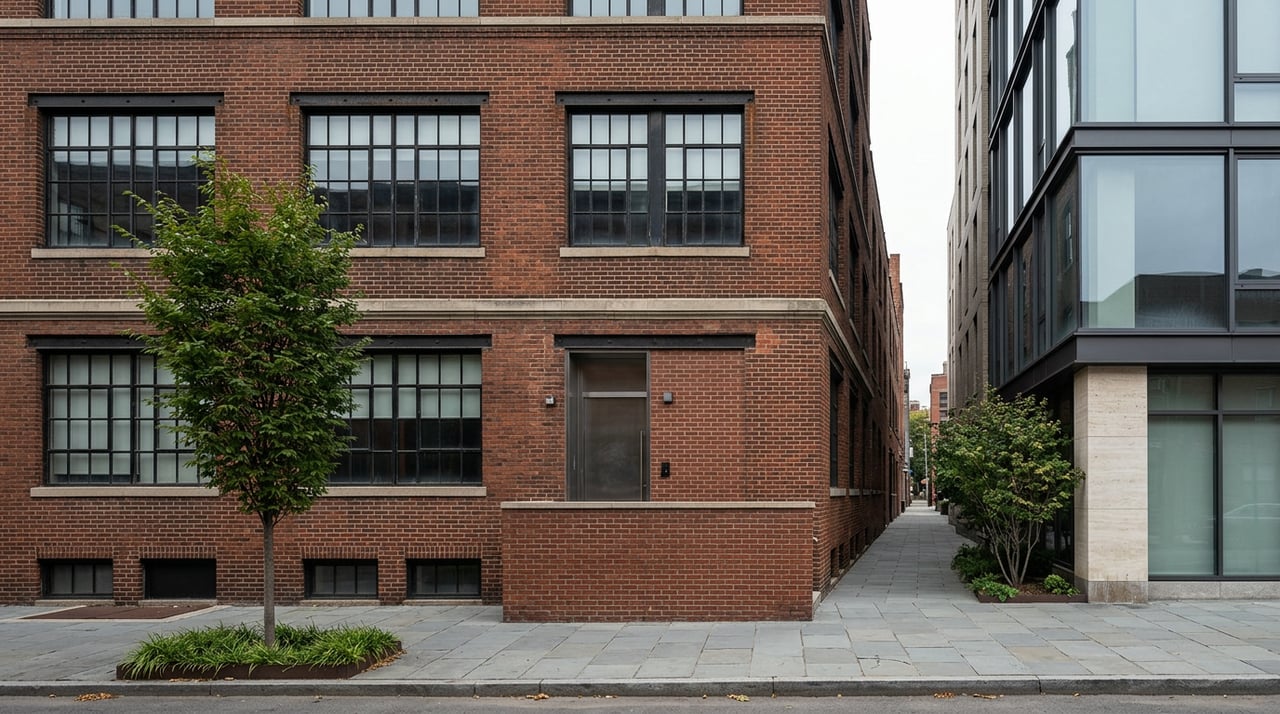
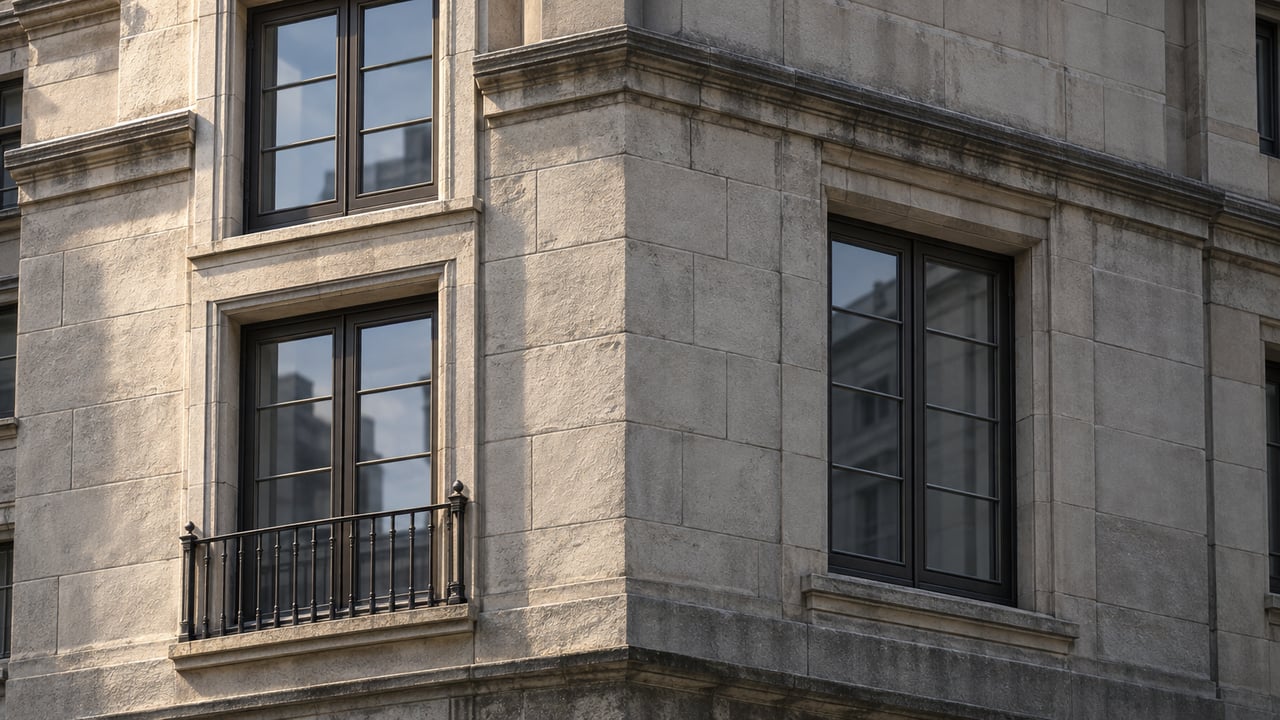
East Chelsea, roughly Sixth to Ninth Avenue, never went through that process. It kept its prewar co-ops, its loft conversions, and its landmarked townhouse blocks largely as they were before the rezoning existed. Two building codes, two eras of construction, one neighborhood name on the listing portal.
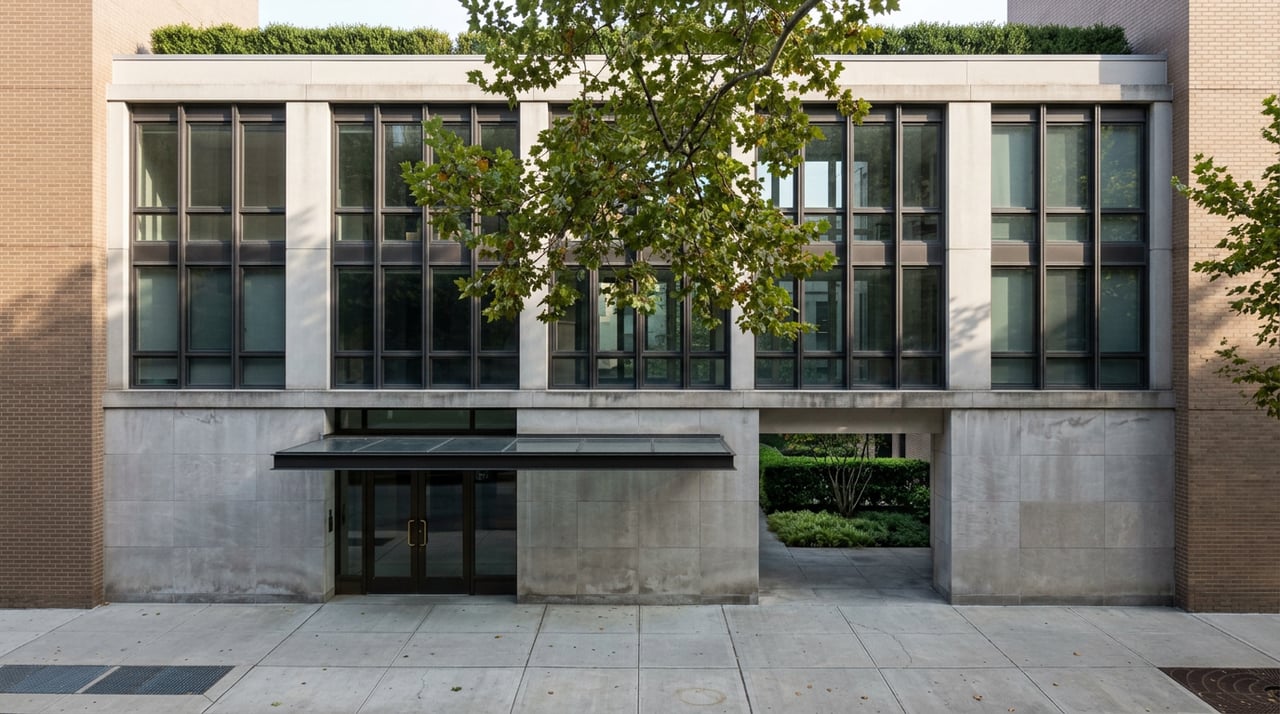
Walk the High Line today and the buildings on either side are almost all products of that 2005 line. One High Line, the Bjarke Ingels-designed pair of twisting towers at 500 West 18th Street, took up an entire block and delivered 236 apartments split between a 36-story west tower and a 26-story east tower before its completion. A few blocks north, Zaha Hadid's only residential building in the city, 520 West 28th Street, holds just 39 units behind a chevron-patterned facade that sits directly on the elevated park. Heatherwick Studio's Lantern House and Robert A.M. Stern's waterfront condo The Cortland, where Yankees captain Aaron Judge bought in, round out the corridor's roster of architect-branded towers.
The pipeline hasn't slowed. Legion Investment Group is currently building 550 West 21st Street, a 22-story limestone and brick tower designed by Thomas Juul-Hansen on what the developer calls the last remaining waterfront site of scale in West Chelsea, with 83 units starting at $2.5 million. A separate project at 118 Tenth Avenue, sold for $53 million and now controlled by Toll Brothers, is planned as an 85,000-square-foot condominium on one of the corridor's last vacant lots. This is new construction, architect-driven, and priced accordingly.
A few avenues east, the housing stock tells a different story entirely. The Walker Tower at 212 West 18th Street is an Art Deco conversion, not a ground-up build. The Spears Building at 525 West 22nd Street was a furniture warehouse in 1880 before it became loft condominiums with exposed brick and cast-iron columns. The Jensen Lewis Building co-op at 161 West 15th Street offers prewar proportions and loft ceilings under a cooperative's ownership structure, not a condominium's. These buildings trade on volume, ceiling height, and conversion quality rather than a name-brand architect, and their ownership structure alone changes the math a buyer runs.
Here's how the two sides actually compare:
| East Chelsea (roughly 6th to 9th Ave) | West Chelsea (High Line corridor) | |
|---|---|---|
| Typical building era | Prewar, converted industrial lofts | Post-2005 ground-up construction |
| Ownership structure | Mostly co-op, some loft condo | Almost entirely condominium |
| Defining architecture | Conversion detail: brick, timber, cast iron | Named architects: Ingels, Hadid, Heatherwick, Stern |
| Zoning history | Largely untouched by the 2005 rezoning | Built under the 2005 rezoning |
| Current construction activity | Limited, mostly conversions | Active, including 550 West 21st Street and 118 Tenth Avenue |
The reason headline medians swing so wildly month to month comes down to sample size and mix, not sudden shifts in value. Chelsea condo sales in a given month might include one $2.5 million loft resale in the east and one $10 million-plus penthouse closing in a new West Chelsea tower. Change that mix by even a handful of closings and the median moves double digits without a single unit actually changing in price.
That effect compounds when transaction counts are already thin. One market read on Chelsea recorded 112 home sales in April, down from 151 the year before, with the average time on market stretching from 67 days to 144. Fewer closings means each individual sale carries more weight in the median, which is exactly the kind of small-sample noise that produced that 59 percent year-over-year jump in one May snapshot. It isn't that Chelsea suddenly got dramatically more expensive in a single month. It's that the sample happened to lean toward the west side of the neighborhood that month, and the east side barely showed up.
If you're weighing Chelsea against another Manhattan neighborhood, the blended median is close to useless on its own. A few better questions get you further:
Buildings within a block of the High Line have traded at a documented 15 to 25 percent premium over otherwise comparable inventory just a few blocks east. That gradient is the real signal in Chelsea's pricing. The single neighborhood median is not.
Is Chelsea mostly co-ops or condos? It depends entirely on which side you're looking at. East Chelsea leans co-op and loft condo. West Chelsea, built almost entirely after the 2005 rezoning, is nearly all condominium.
Why did the rezoning only cover part of the neighborhood? The Special West Chelsea District was drawn specifically around the High Line's path and the manufacturing-zoned blocks near it. Streets further east were already zoned for residential use and didn't need the same intervention.
Is new construction still happening in Chelsea? Yes, concentrated almost entirely in the west. Projects like 550 West 21st Street are currently under construction, while the east side sees far more resale and conversion activity than ground-up building.
Comparing neighborhoods off a single median price is how buyers end up either overpaying for a comp that was never really comparable, or walking away from a deal that made sense once you separated the two markets sitting under one name. If you're weighing Chelsea against another part of Manhattan, or trying to figure out which side of Ninth Avenue actually fits your budget and your timeline, PS New York Real Estate can walk through the specific buildings and blocks that match what you're looking for. Get in touch for a Free Home Valuation and a clearer read than the neighborhood-wide number gives you.
This article is general information, not legal, tax or financial advice. Consult a qualified professional about your situation.
Stay up to date on the latest real estate trends.


We deliver seamless real estate experiences, matching clients with Manhattan’s finest properties while balancing lifestyle, budget, and investment goals.
PS New York Real Estate
PETER MCLEAN
[email protected]
(646) 801-3244
License #10401318818
SONIA COZZI
[email protected]
(917) 916-7040
License #10401382795
ADDRESS 157 COLUMBUS AVE RM 2W NEW YORK NY 10023